
The Reason your Sweet potato slips Fail and How to Solve it
The No-Fail Way to Start Sweet Potato Slips: A Busy Mom’s Guide to Growing Your Own Sweet Potatoes
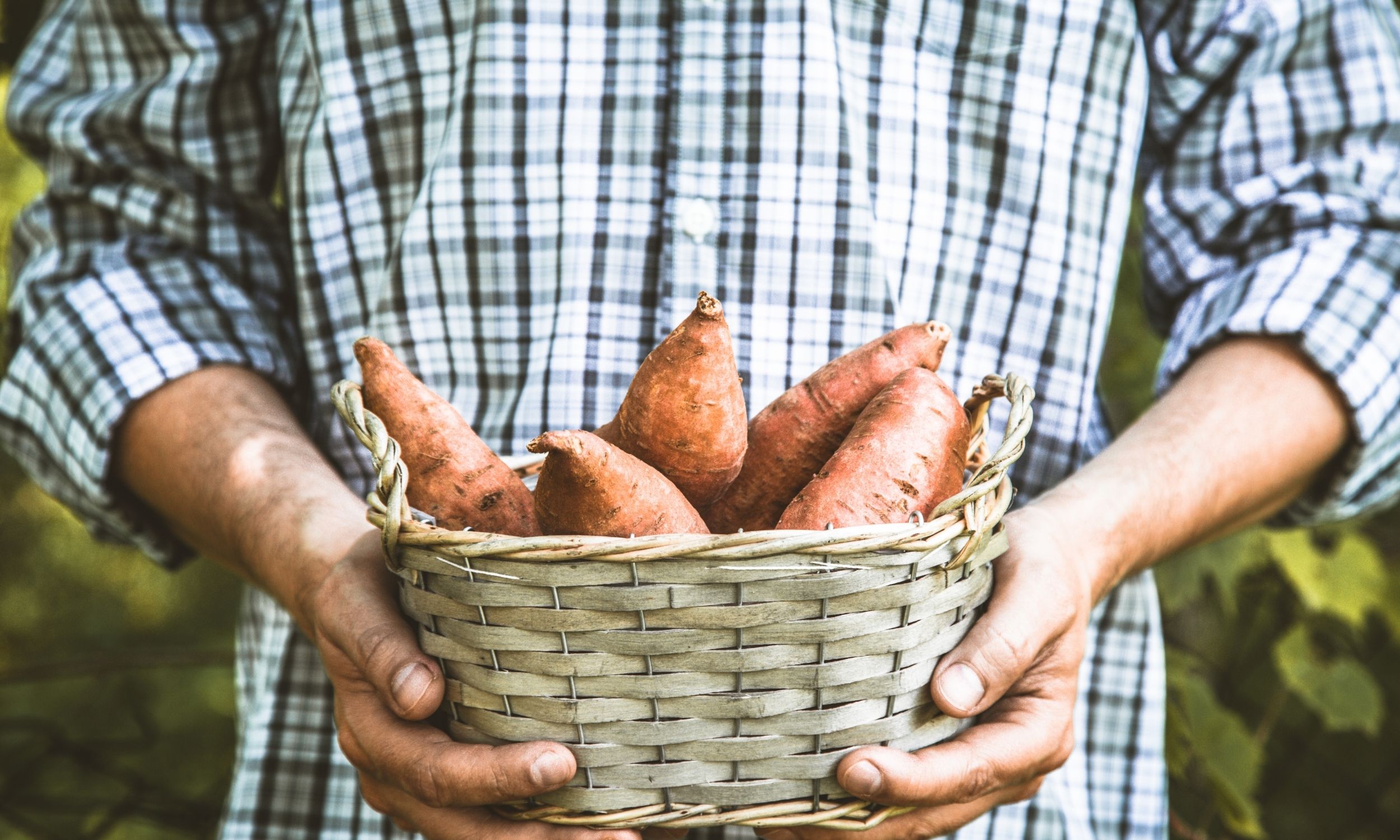
As a busy mom, you’re already juggling a million things. Between meal prep, soccer practice, and squeezing in some “me time,” it can feel impossible to add gardening to your list. But what if I told you that growing your own sweet potatoes could actually simplify your life? Sweet potatoes are a nutrient-packed, family-friendly crop that practically grows itself—and it all starts with sweet potato slips.
In this guide, I’ll show you the no-fail way to start sweet potato slips. Whether you’re a gardening newbie or an experienced green thumb, this method is perfect for busy moms who want to grow healthier, simpler, and more meaningful meals for their families. Let’s get started!
Disclosure: As an Amazon affiliate, I earn from qualifying purchases at no extra cost to you. My blog contains other affiliate links as well for your convenience. To learn more, you may read my Disclosure Policy. Thank you for supporting my blog!
Why Grow Sweet Potatoes?
Before we dive into how to start sweet potato slips, let’s talk about why you’d want to grow them in the first place.
- They’re Nutritious: Sweet potatoes are packed with vitamins A and C, fiber, and antioxidants. They’re a superfood you can grow in your own backyard.
- Kid-Approved: Sweet potatoes are naturally sweet, making them a hit with picky eaters. Imagine the pride on your kids’ faces when they’re eating sweet potatoes they helped grow!
- Low-Maintenance Crop: Once planted, sweet potatoes practically take care of themselves, making them perfect for moms with packed schedules.
- Cost-Effective: Growing your own sweet potatoes saves money, especially if your family goes through them as quickly as mine does.
Starting sweet potato slips may seem intimidating at first, but trust me, it’s easier than you think. Plus, it’s a fun and rewarding project you can do with your kids.
Step 1: Choosing the Right Sweet Potato
The first step to growing sweet potato slips is choosing the right potato to work with. Here’s what you need to know:
- Look for Organic Sweet Potatoes: Conventional sweet potatoes are often treated with sprout inhibitors, which makes it harder to grow slips. Organic sweet potatoes are your best bet.
- Pick Healthy, Firm Potatoes: Avoid sweet potatoes with soft spots, mold, or signs of rot. A healthy potato will yield healthy slips.
- Consider Your Variety: There are so many varieties of sweet potatoes to choose from! Some are sweeter, some have vibrant orange or purple flesh, and some are better suited for certain climates. Choose one that fits your family’s tastes and your growing conditions.
Mom Tip: Take your kids along to the store or farmer’s market and let them help pick the sweet potatoes. It’s a simple way to get them involved from the start.
Must Have Gardening guide
Gardening From Scratch
the Ultimate Guide to Raised Bed Gardening
Step 2: Starting Your Sweet Potato Slips
Once you’ve chosen your sweet potatoes, it’s time to start growing those slips. Slips are the sprouts that grow from a sweet potato, and they’re what you’ll eventually plant in your garden. Here’s the no-fail method:
1. Water Jar Method
This classic method is great if you want to involve your kids and watch the magic happen.
- Cut Your Sweet Potato (Optional): If your sweet potato is large, you can cut it in half to speed up the sprouting process. Leave the skin intact.
- Place in Water: Stick toothpicks into the sides of the sweet potato to suspend it over a jar or cup of water, with about half of the potato submerged.
- Find a Sunny Spot: Place the jar in a warm, sunny spot like a windowsill. Sweet potatoes thrive in warmth and light.
- Change the Water Regularly: Every 2-3 days, replace the water to prevent mold and bacteria.
Within a couple of weeks, you’ll start to see sprouts growing from the top of the sweet potato. These are your sweet potato slips!
2. Soil Method
If you’re short on counter space or want to mimic a more natural growing environment, try the soil method.
- Choose a Container: Use a shallow tray or pot with good drainage.
- Fill with Soil: Add a layer of nutrient-rich potting soil.
- Bury the Potato: Place the sweet potato on its side and cover it with about 2 inches of soil.
- Water Regularly: Keep the soil moist but not soggy.
- Provide Warmth: Place the container in a warm spot or use a heat mat if your house is chilly.
With this method, slips will sprout through the soil within a few weeks.
Step 3: Harvesting and Preparing Your Slips
Once your sweet potato slips are about 6 inches long, they’re ready to be harvested and prepared for planting. Here’s how:
- Gently Remove the Slips: Hold the base of each slip and gently twist or pull it away from the sweet potato.
- Root the Slips: Place the slips in a jar of water with the bottom half submerged. Within a few days, they’ll start to develop roots.
- Plant the Slips: Once the slips have grown a healthy root system, they’re ready to be planted in your garden, raised bed, or container.
Mom Tip: Let your kids help root the slips in water. They’ll love checking on the roots every day!
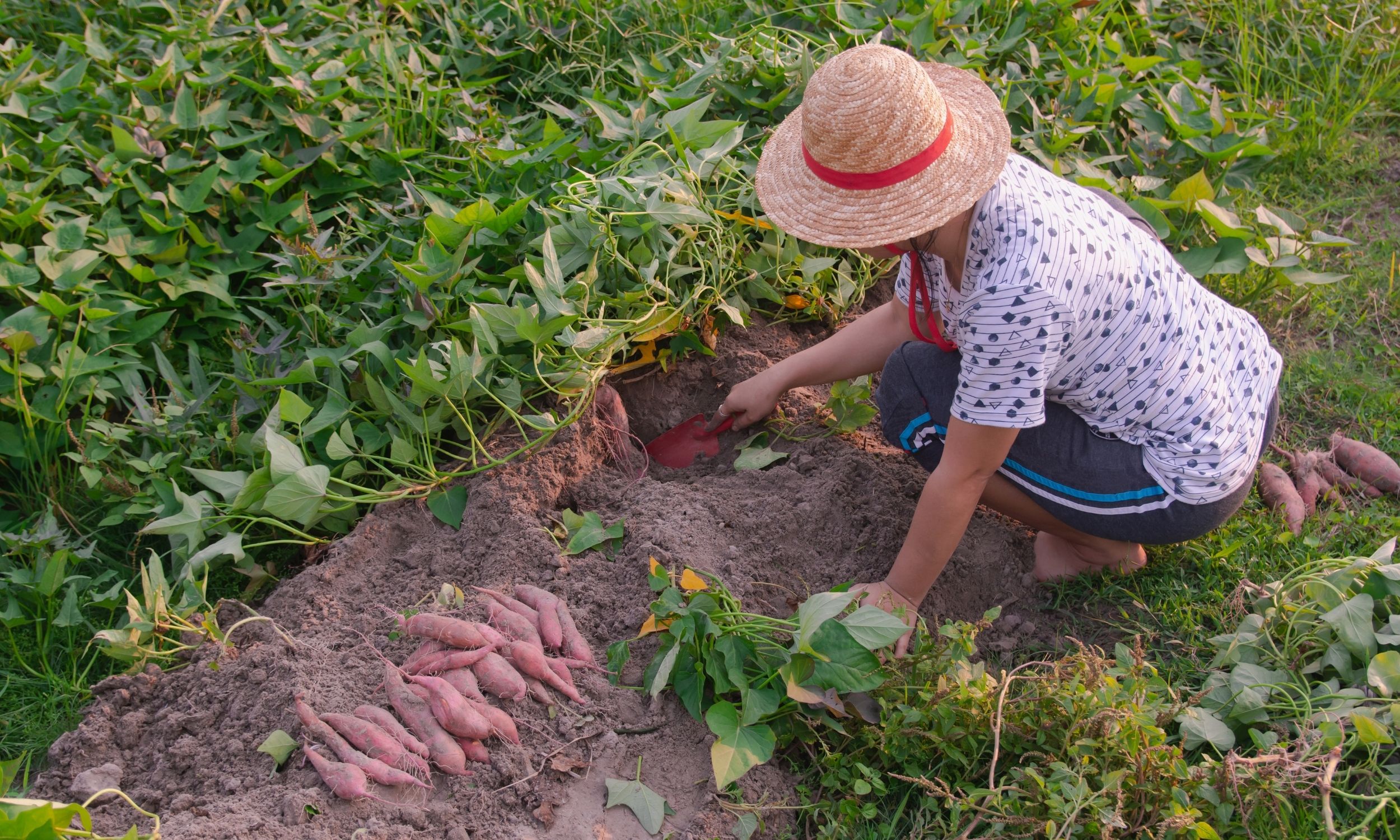
Step 4: Planting and Caring for Your Sweet Potatoes
Now that your slips are ready, it’s time to plant them. Follow these steps for a successful harvest:
1. Choose the Right Spot
Sweet potatoes love sunlight and warmth. Pick a sunny spot in your garden or use a large container if you’re short on space.
2. Prepare the Soil
Sweet potatoes grow best in loose, well-draining soil. If your soil is heavy clay, consider using raised beds or adding sand and compost to improve drainage.
Don’t Break the Bank!!
Fill Your Raised Garden on a Budget
Enter your name and email and we will send you our FREE guide.
3. Plant Your Slips
Space your slips about 12 inches apart, burying the roots and bottom of the stem. Water them well after planting.
4. Low-Maintenance Care
- Water: Keep the soil consistently moist, especially during the first few weeks.
- Mulch: Add a layer of mulch to retain moisture and keep weeds at bay.
- Pests: Keep an eye out for pests like voles and remove them if needed.
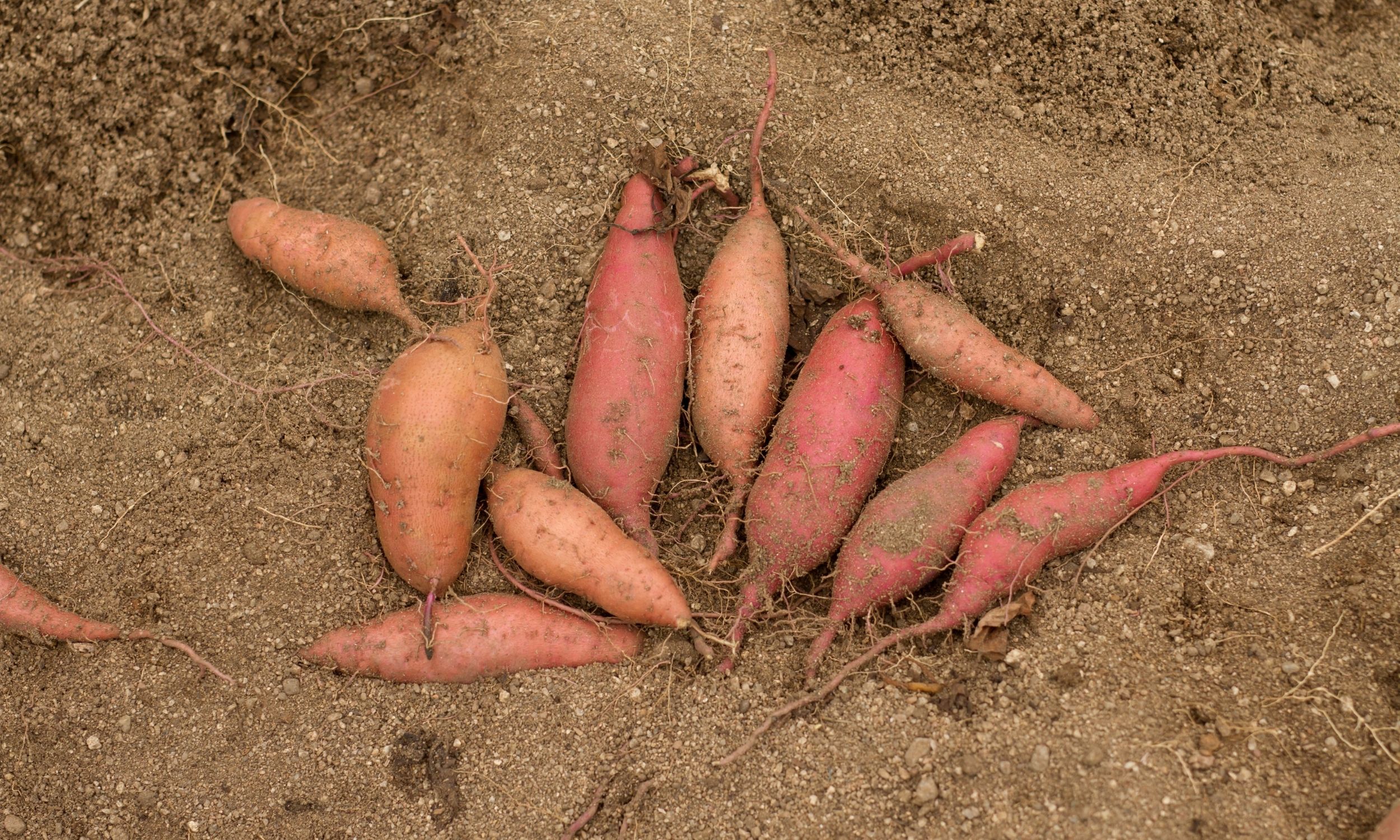
Growing Sweet Potatoes with Confidence
Starting sweet potato slips may seem like one more thing on your endless to-do list, but trust me, it’s worth it. With just a little time and effort, you can grow a crop that’s as rewarding as it is delicious. Sweet potatoes are a low-maintenance, high-yield addition to any mom’s garden, and the process of growing them can be a fun, educational activity for the whole family.
So grab a sweet potato, get started on those slips, and look forward to serving your family homegrown sweet potato fries, casseroles, and so much more. You’ve got this, mama!
Have questions or tips about growing sweet potato slips? Share them in the comments below—we’re all in this together!
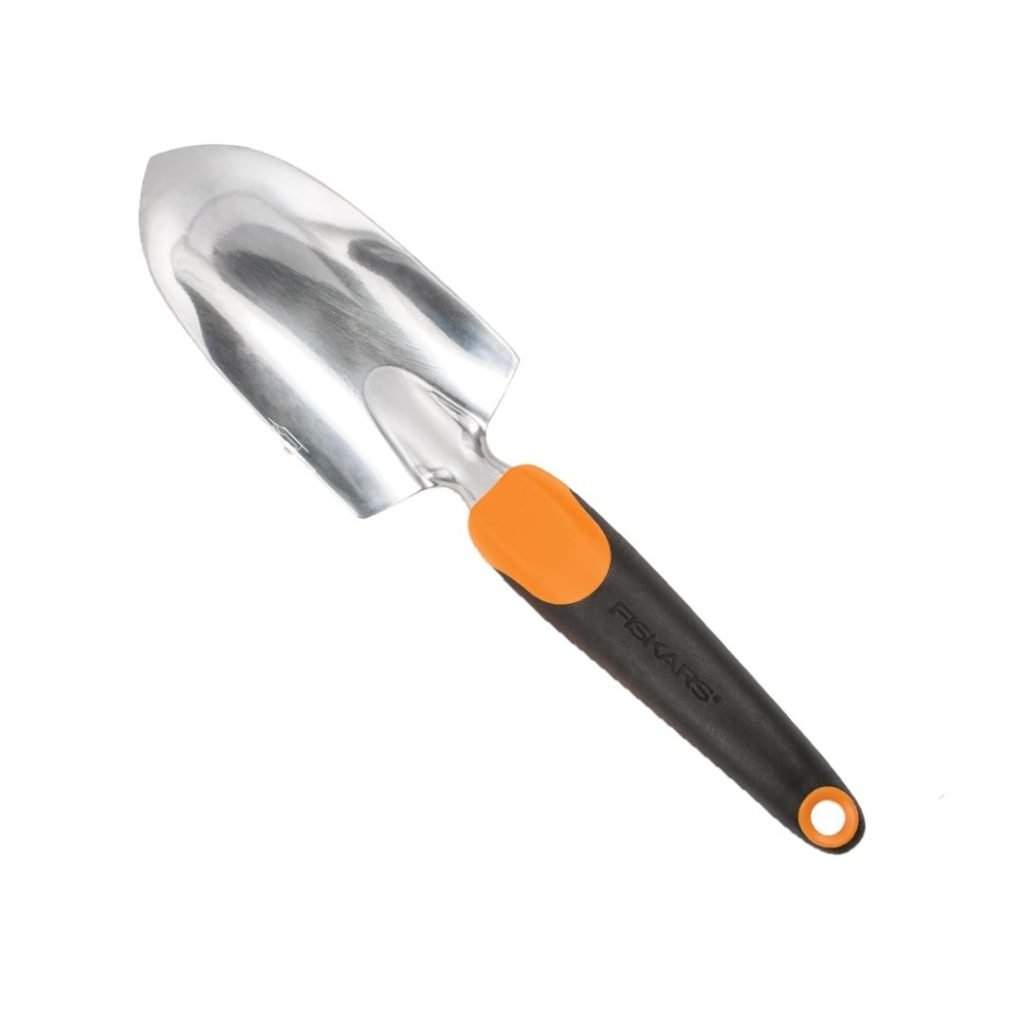
Garden Trowel
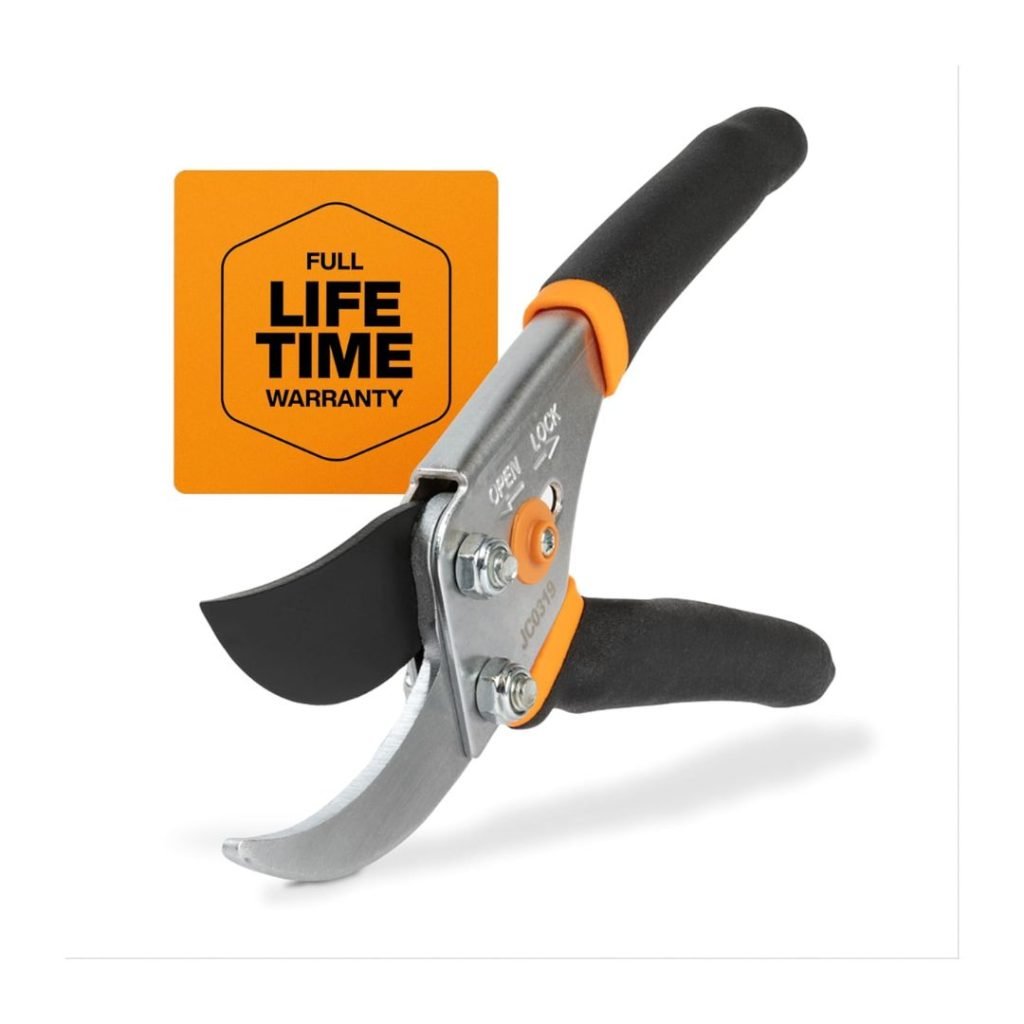
Shears
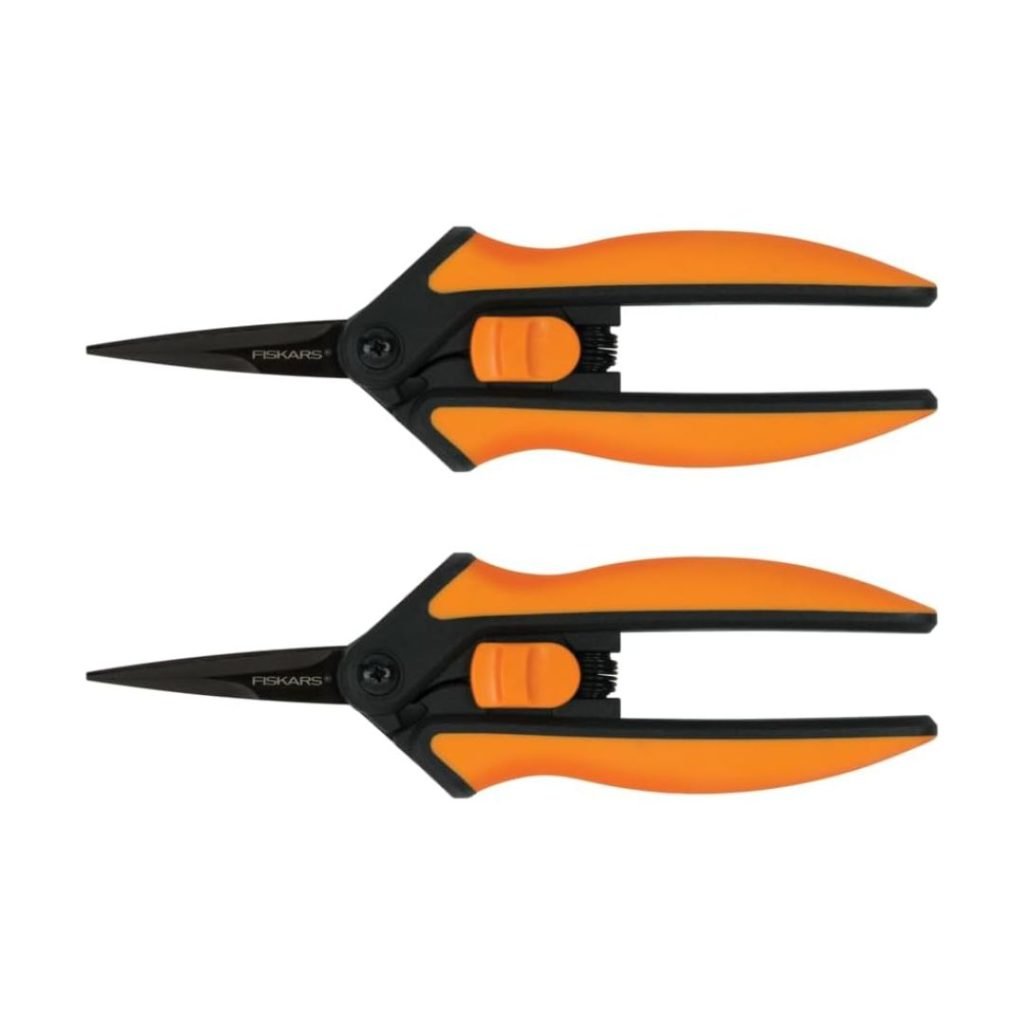
Snips