
Growing Apple Trees on Your Homestead: The Ultimate Guide for Busy Moms
Growing apple trees on your homestead is a rewarding endeavor that offers both the delight of fresh, homegrown fruit and the opportunity to engage in a fulfilling family activity. Whether you’re a seasoned gardener or new to homesteading, understanding the essentials of apple tree cultivation will help ensure a bountiful harvest for years to come.
Disclosure: As an Amazon affiliate, I earn from qualifying purchases at no extra cost to you. My blog contains other affiliate links as well for your convenience. To learn more, you may read my Disclosure Policy. Thank you for supporting my blog!
Selecting the Right Apple Trees for Your Homestead
Choosing the appropriate apple tree varieties is crucial for successful cultivation. Consider your local climate, soil conditions, and available space when making your selection. Opt for disease-resistant varieties that thrive in your region to minimize maintenance and increase yield. Dwarf or semi-dwarf rootstocks are ideal for smaller spaces, as they require less room and are easier to manage. Additionally, planting multiple varieties can enhance cross-pollination, leading to better fruit production.
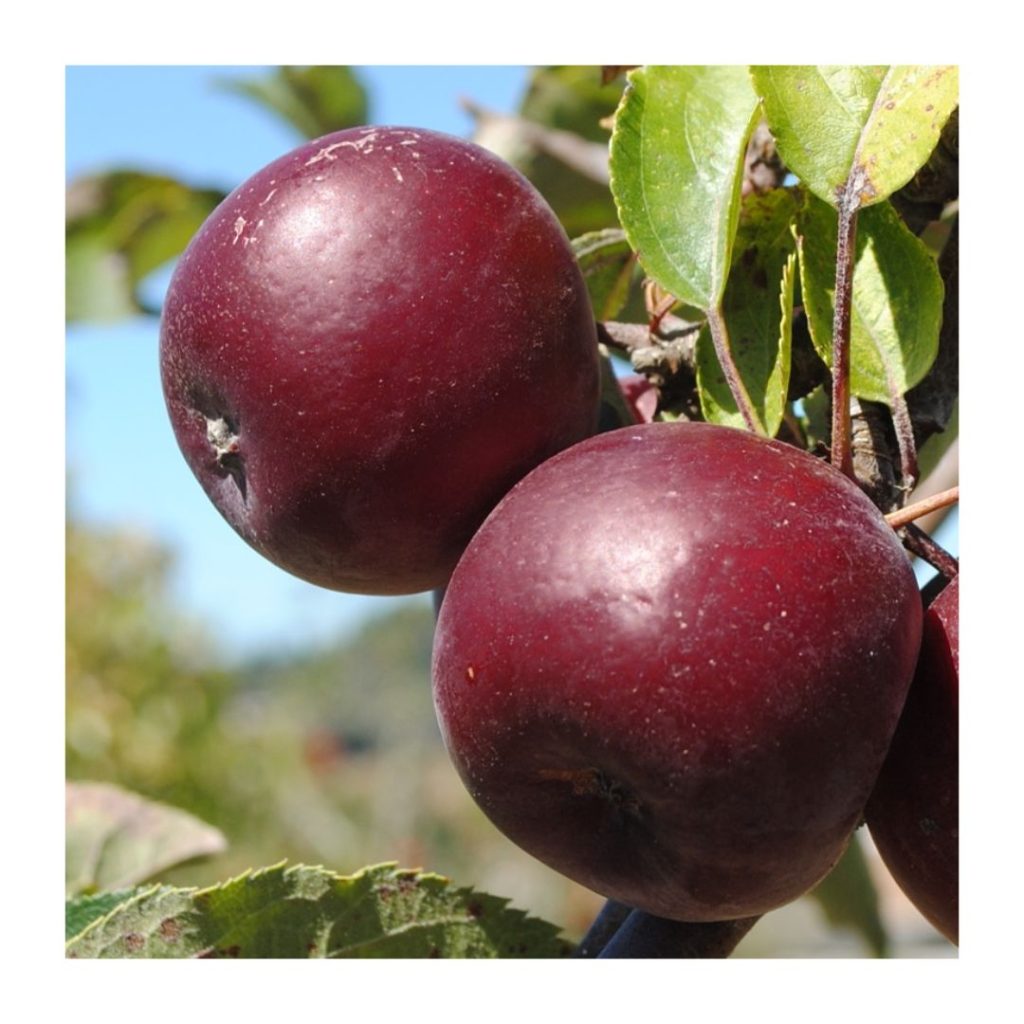
Arkansas Black Apple Tree
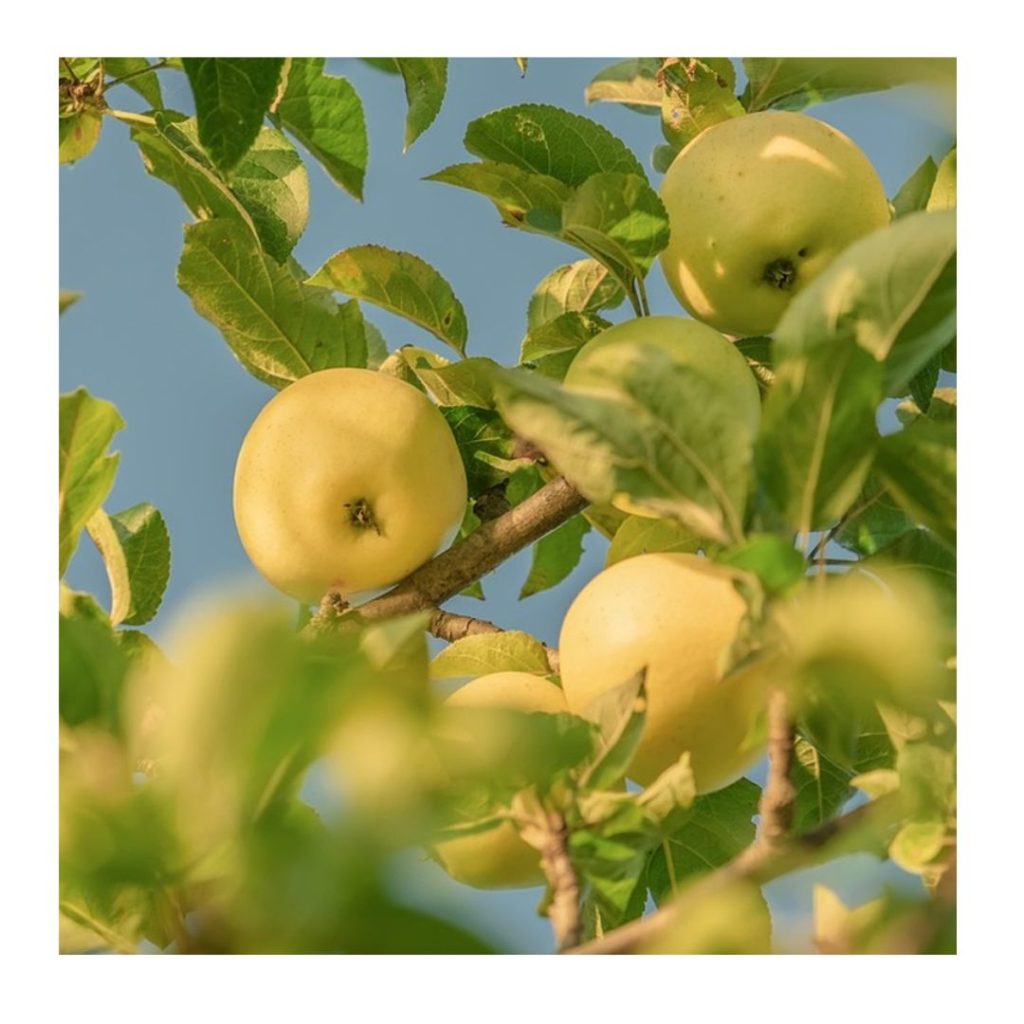
Golden Delicious Apple Tree
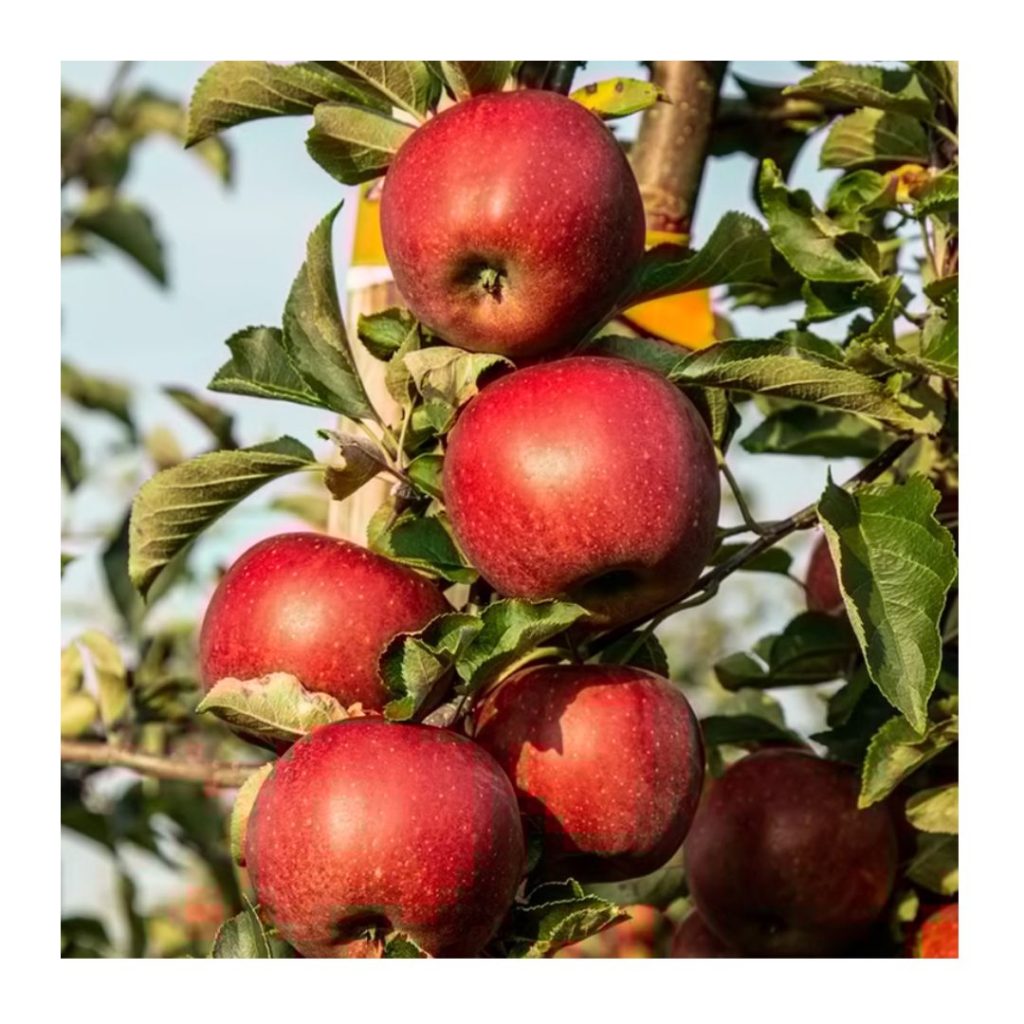
Honeycrisp Apple Tree
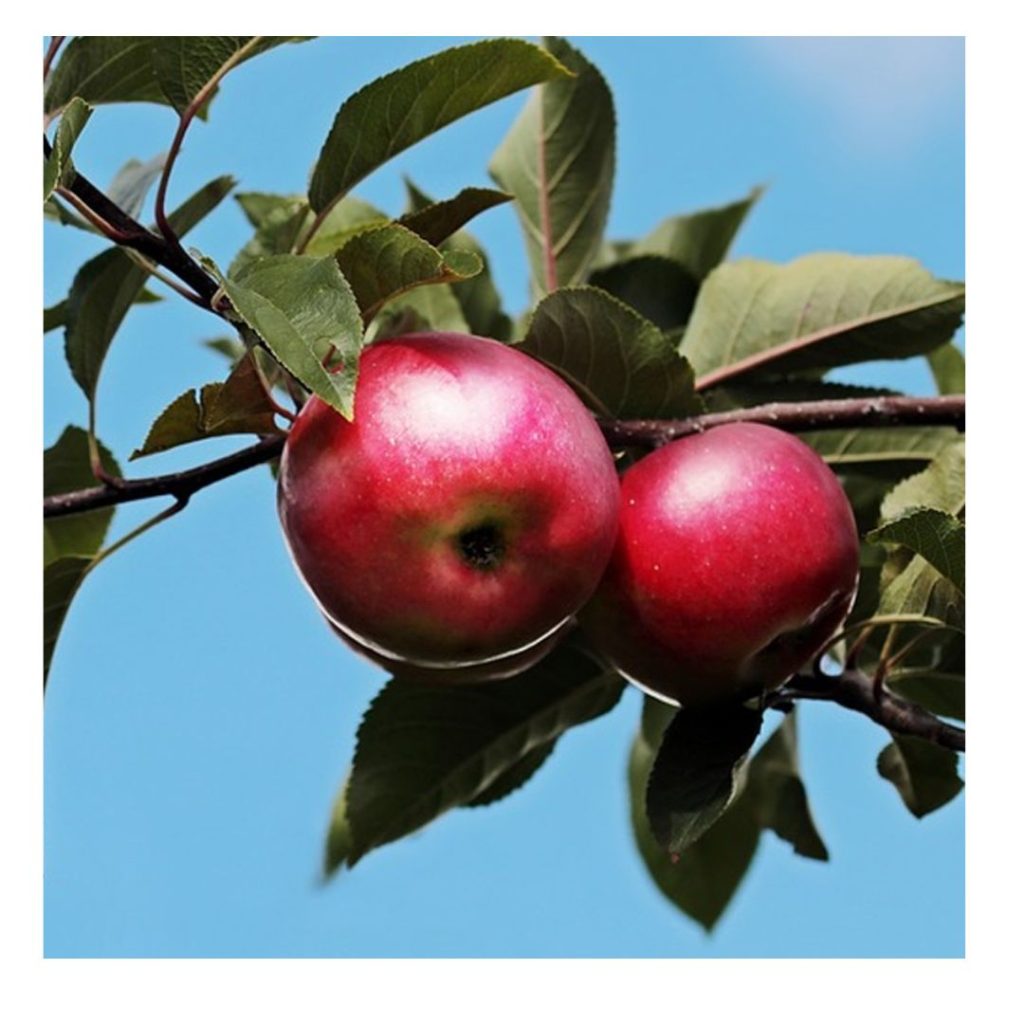
Jonathan Apple Tree
Planting and Caring for Your Apple Trees
Proper planting and ongoing care are vital to the health and productivity of your apple trees. Begin by selecting a sunny location with well-draining soil. Dig a hole twice as wide and as deep as the root ball, place the tree, and backfill with soil, ensuring the graft union remains above ground. Regular watering, especially during dry spells, is essential. Applying mulch around the base helps retain moisture and suppress weeds. Pruning in late winter or early spring promotes healthy growth and air circulation, reducing the risk of disease. For a comprehensive guide on apple tree care, visit Everything Apple Tree Care for Your Backyard Apple Trees.
Fertilizing for a Healthy Tree and Bigger Harvest
Fertilization plays a significant role in the vitality and fruitfulness of your apple trees. Conduct a soil test to determine nutrient deficiencies and amend accordingly. Generally, apple trees benefit from a balanced fertilizer applied in early spring. Organic options, such as compost or well-rotted manure, provide essential nutrients and improve soil structure. Be cautious not to over-fertilize, as excessive nitrogen can lead to vigorous foliage growth at the expense of fruit production. For detailed information on the best fertilizers for apple trees, check out Best Apple Tree Fertilizer for a Healthy Tree and Bigger Harvest.
Companion Planting to Support Your Apple Trees
Implementing companion planting strategies can enhance the health and productivity of your apple orchard. Certain plants can deter pests, attract beneficial insects, and improve soil fertility. For instance, planting herbs like chives and garlic near apple trees can repel aphids and other pests. Flowers such as marigolds and nasturtiums attract pollinators and beneficial predators. Leguminous cover crops like clover can fix nitrogen in the soil, providing essential nutrients for your trees. Explore more about companion planting in The Best Companion Planting for Apple Trees.
Growing Apple Trees in Containers
If space is limited or soil conditions are less than ideal, consider growing apple trees in containers. This approach allows for greater control over soil quality, moisture, and exposure to pests. Choose dwarf varieties grafted onto rootstocks suitable for container growth. Use large pots with adequate drainage holes and fill them with a high-quality potting mix. Regular watering and fertilization are crucial, as container-grown trees can dry out and deplete nutrients more quickly than those planted in the ground. Pruning is also important to maintain shape and encourage fruiting. For more insights on container planting, visit Planting Fruit Trees in Containers.
Growing Apple Trees from Seed: A Patient Gardener’s Journey
While growing apple trees from seed is a long-term commitment, it can be a rewarding project for patient gardeners. Keep in mind that apple trees grown from seed may not produce fruit identical to the parent tree and can take several years to mature. The process involves stratifying the seeds (a period of cold treatment) before planting, followed by careful nurturing of the seedlings. This method is ideal for those interested in experimenting with new apple varieties or simply enjoying the process of nurturing a tree from its earliest stages. Learn more about this journey in Ever Wonder About Growing Apple Trees from Seed?.
Embarking on the journey of growing apple trees on your homestead is a fulfilling endeavor that offers both the joy of harvesting your own fruit and the satisfaction of contributing to your family’s self-sufficiency. By selecting suitable varieties, providing proper care, and utilizing strategies like companion planting and container growing, you can cultivate a thriving apple orchard that will provide abundant harvests for years to come.

Introducing the
Simplify. Thrive. Homestead. Academy
HOMESTEADING IS THE KEY TO LIVING A SIMPLER, MORE TRADITIONAL AND SUSTAINABLE LIFESTYLE.
You want to live a simpler, more traditional lifestyle…
…Even if You’re Short On Time, Have No Idea Where to Start, and Don’t Want to Give Up Modern Luxuries.