
Freeze Drying vs Dehydrating: What’s the Difference?
Freeze-drying and dehydrating are two common methods of food preservation that have been used for centuries. Both methods involve removing moisture from food, which slows down the growth of bacteria and other microorganisms that can cause food to spoil. However, there are some key differences between the two methods that can affect the quality, taste, and nutritional value of the food.
One of the main differences between freeze-drying and dehydrating is the amount of moisture that is removed from the food. Freeze-drying involves freezing the food and then removing the water by sublimation, which is the process of converting ice directly into water vapor without going through the liquid phase. This process removes up to 98% of the water from the food, which makes it much lighter and more compact than dehydrated food. Dehydrating, on the other hand, involves removing moisture from the food by exposing it to heat and air. This process removes about 80-90% of the water from the food, which makes it less compact and heavier than freeze-dried food.
Another difference between freeze-drying and dehydrating is the shelf life of the food. Freeze-dried food can last for years or even decades if stored properly, while dehydrated food typically has a shorter shelf life of several months to a year. This is because freeze-drying removes more moisture from the food, which slows down the rate of oxidation and bacterial growth that can cause food to spoil. Additionally, freeze-dried food is less susceptible to moisture, light, and heat damage than dehydrated food, which can further extend its shelf life.
Disclosure: As an Amazon affiliate, I earn from qualifying purchases at no extra cost to you. My blog contains other affiliate links as well for your convenience. To learn more, you may read my Disclosure Policy. Thank you for supporting my blog!
Understanding Freeze Drying and Dehydrating
Definition of Freeze Drying
Freeze-drying, also known as lyophilization, is a process of removing moisture from food by freezing it and then subjecting it to a vacuum. The process involves three steps: freezing, primary drying, and secondary drying. During the freezing stage, the food is frozen solid, and the water inside it turns into ice. In the primary drying stage, the pressure is lowered, and the ice sublimates, meaning it turns directly from a solid to a gas, without passing through the liquid phase. In the secondary drying stage, the temperature is raised slightly, and any remaining water is removed through a process called desorption.
Freeze-drying preserves the food’s nutritional value, flavor, and texture. It also has a longer shelf life than dehydrated food, making it ideal for long-term storage.
Definition of Dehydrating
Dehydrating, on the other hand, is a process of removing moisture from food by exposing it to heat. The process involves placing the food in a dehydrator or an oven set to a low temperature, typically around 140°F. The heat removes the moisture from the food, and the resulting product is lightweight and easy to store.
Dehydrating can preserve food for a long time, but it can also affect its nutritional value, flavor, and texture. Some nutrients, such as vitamin C, are sensitive to heat and can be destroyed during the dehydrating process.
Both freeze-drying and dehydrating are popular methods of food preservation, but they have different applications and outcomes. Freeze-drying is ideal for preserving the nutritional value, flavor, and texture of food, while dehydrating is more suitable for producing lightweight, easy-to-store snacks.
The Processes Involved
When it comes to preserving food, two popular methods are freeze-drying and dehydrating. Both processes involve removing moisture from food, but they differ in the way they accomplish this task. In this section, we will delve into the processes involved in freeze-drying and dehydrating.
The Freeze Drying Process
Freeze-drying, also known as lyophilization, is a process that involves removing moisture from food by first freezing it and then placing it in a vacuum. The process is divided into three steps:
- Freezing: The food is frozen at a temperature below its melting point to ensure that the water molecules are solidified.
- Primary Drying: The frozen food is placed in a freeze dryer, which is a machine that lowers the pressure and temperature to sublimate the ice crystals from the food. This step can take several days to complete.
- Secondary Drying: In this step, any remaining moisture is removed from the food by raising the temperature slightly. This step is necessary to prevent the growth of bacteria and mold.
The freeze-drying process preserves the food’s nutrients, texture, and taste. It is commonly used to preserve fruits, vegetables, meats, and dairy products.
The Dehydrating Process
Dehydrating, also known as air-drying, involves removing moisture from food by exposing it to heat. The process is divided into three steps:
- Preparation: The food is sliced or chopped into small pieces to increase the surface area for drying.
- Drying: The food is placed in a food dehydrator, which is a machine that circulates warm air around the food to evaporate the moisture. This step can take several hours to complete.
- Conditioning: In this step, the food is cooled and stored in an airtight container to allow any remaining moisture to distribute evenly.
The dehydrating process can alter the food’s texture and taste, but it is a cost-effective method of preserving food. It is commonly used to preserve fruits, vegetables, and meats.
In conclusion, both freeze-drying and dehydrating are effective methods of preserving food, but they differ in the way they accomplish this task. Freeze-drying is a more complex and expensive process that preserves the food’s nutrients, texture, and taste, while dehydrating is a cost-effective method that alters the food’s texture and taste.
Canning/Preserving Tools
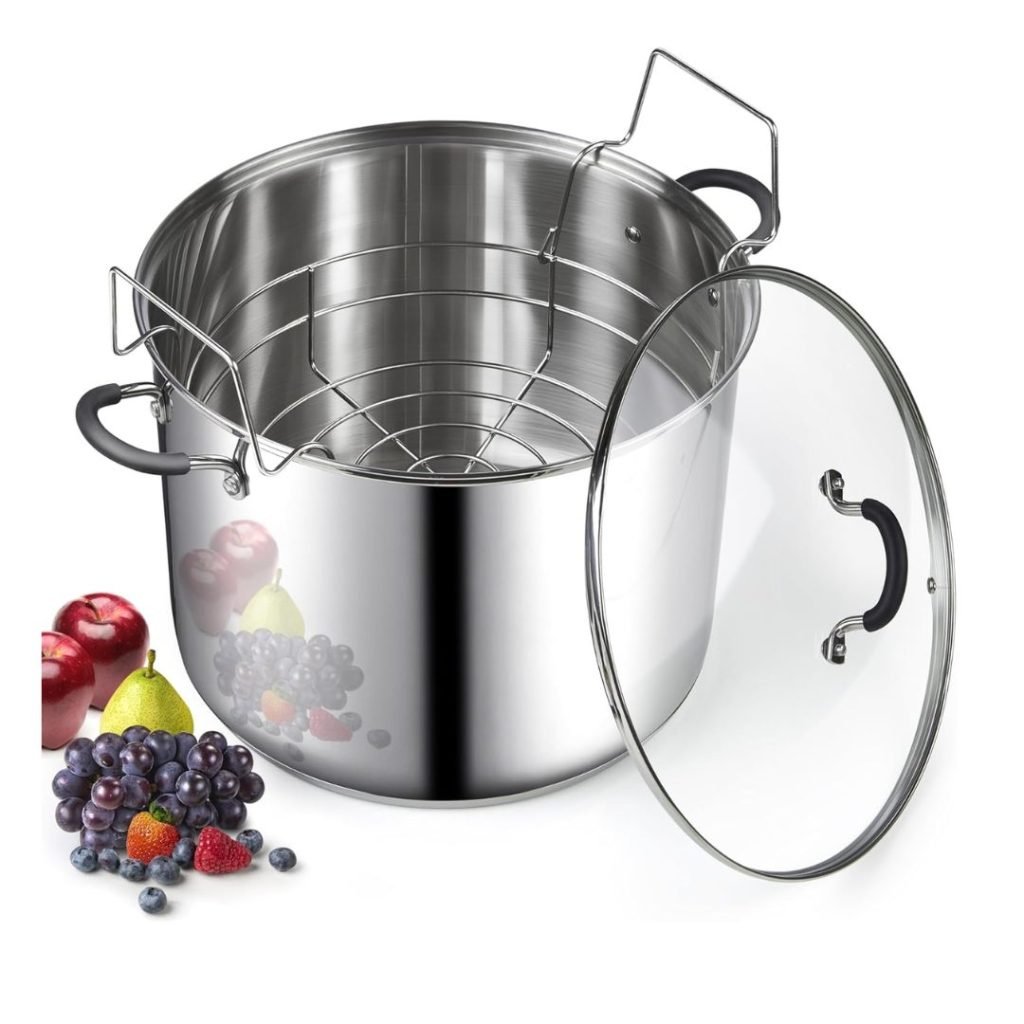
Water Bath Canner
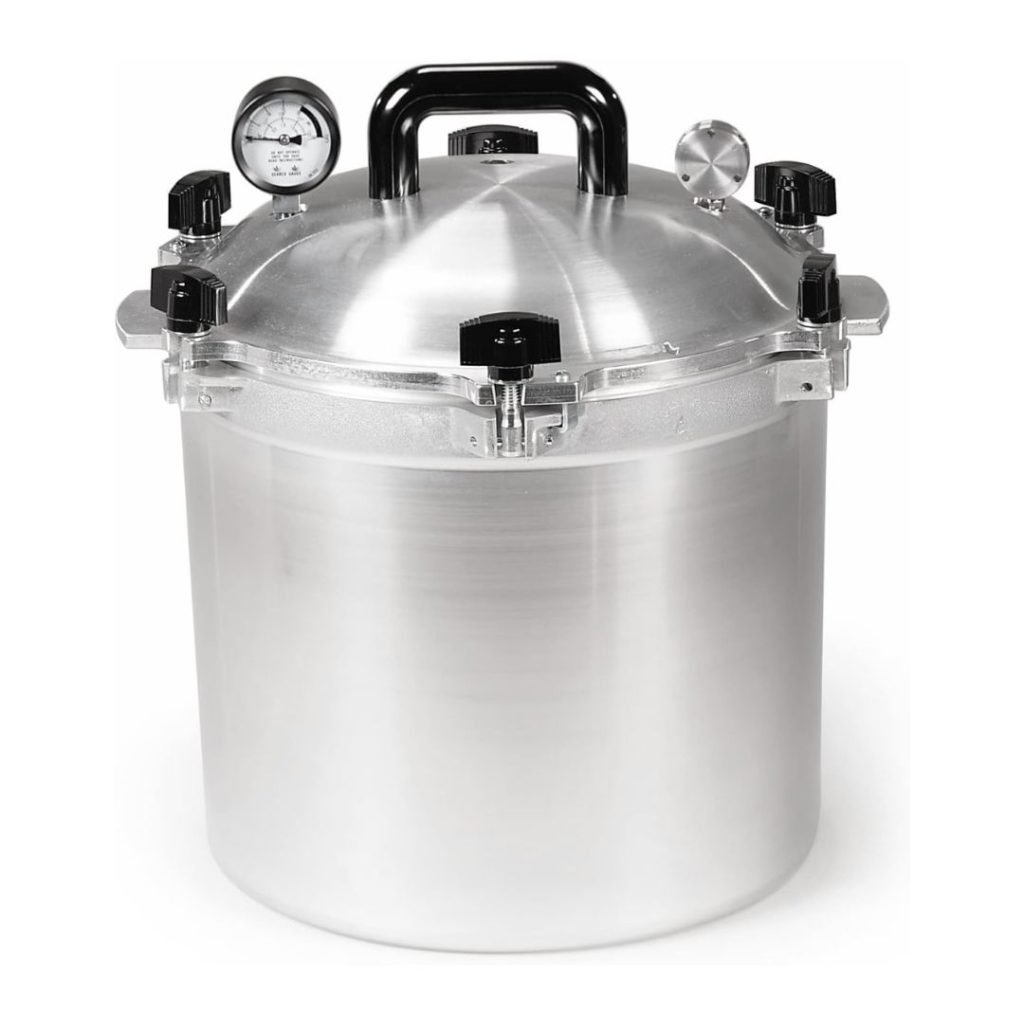
Pressure Canner
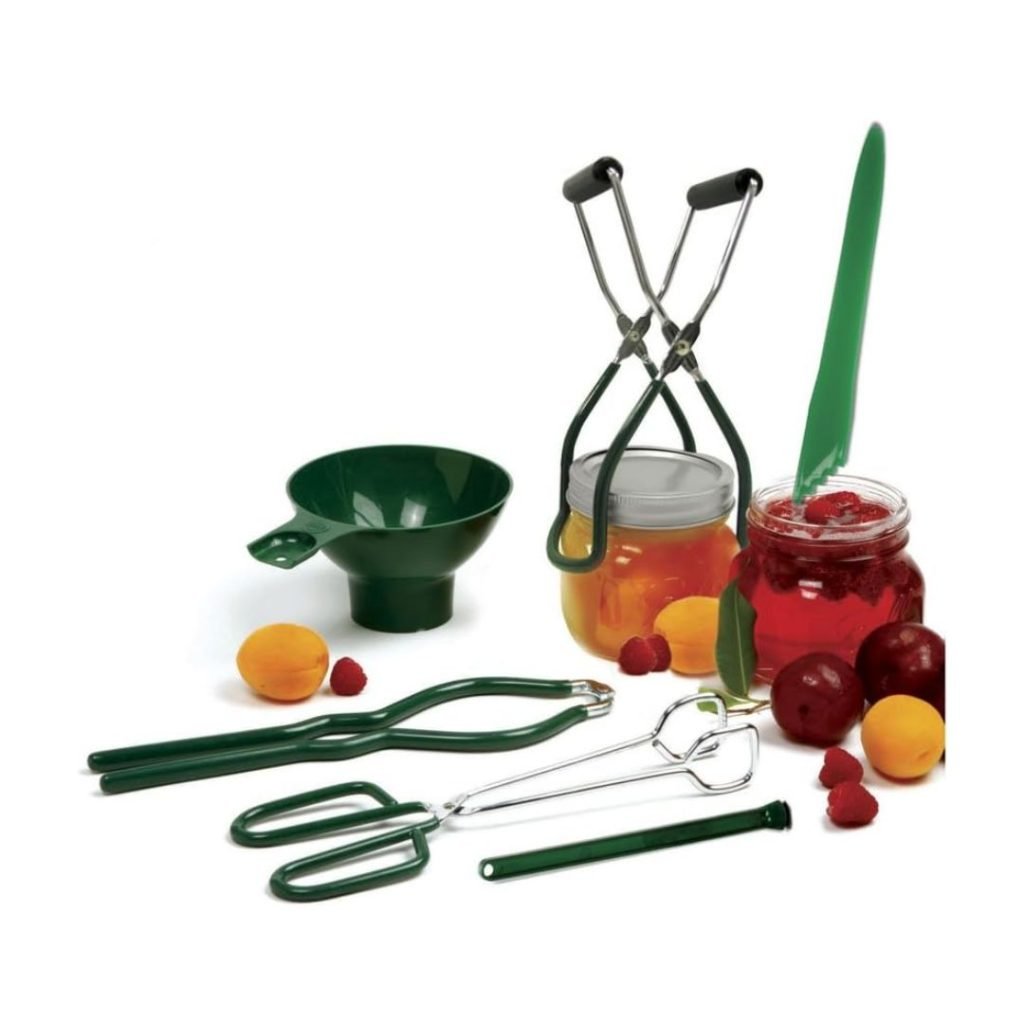
Beginner Tool Set
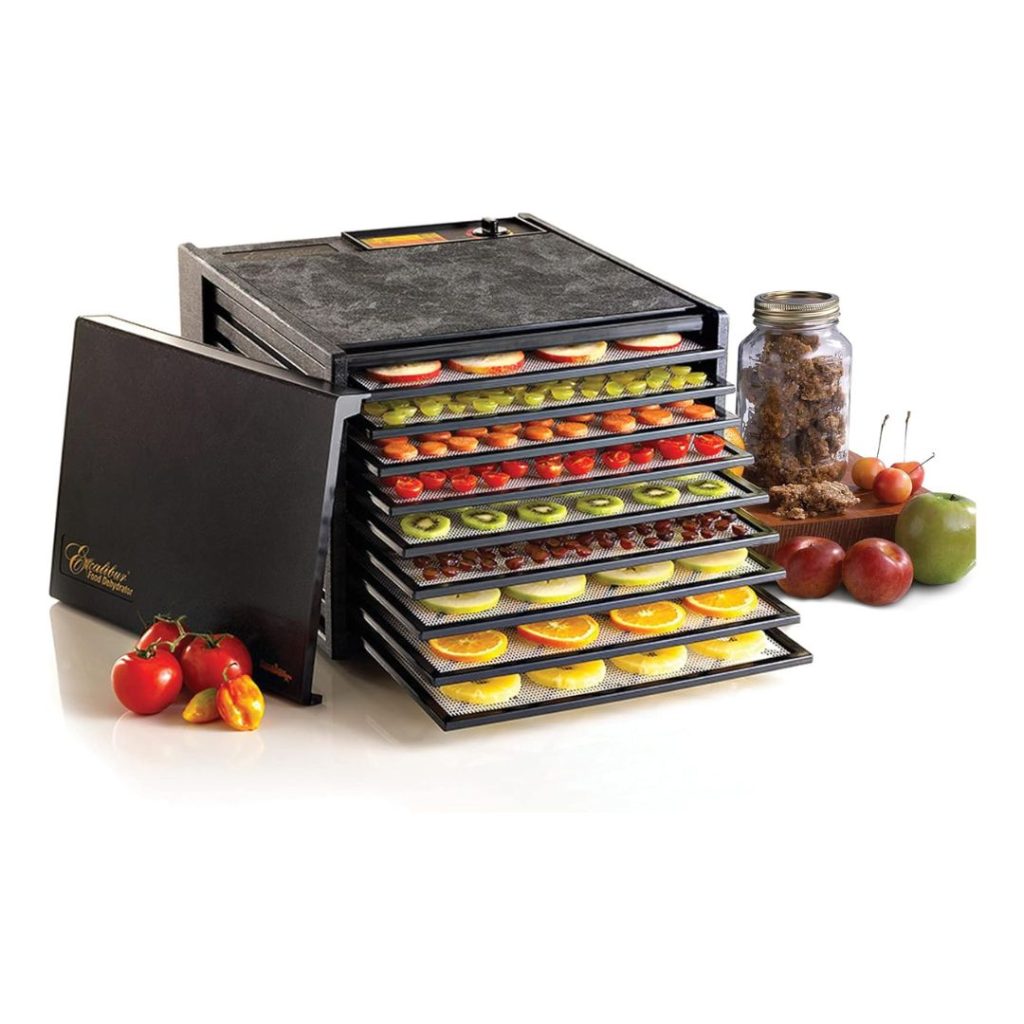
Dehydrator
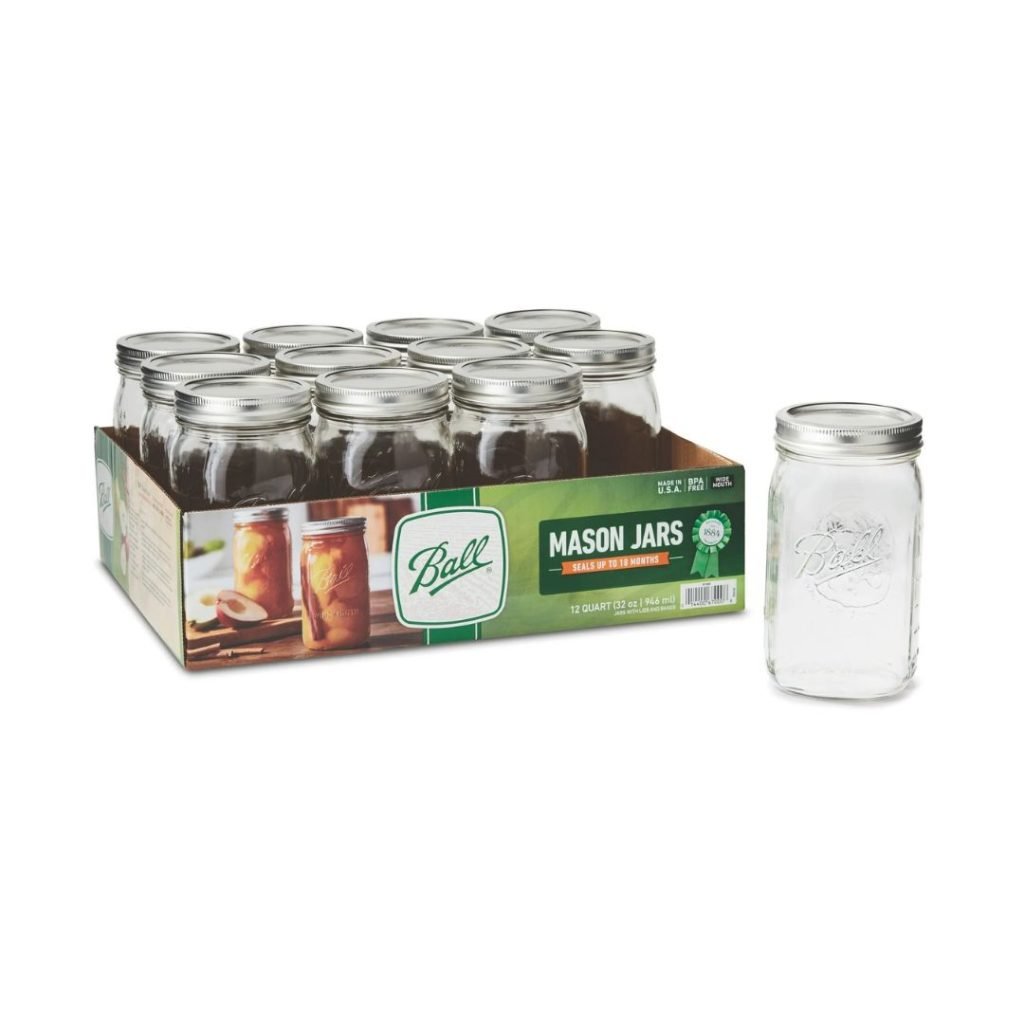
Wide Mouth Quart Jars
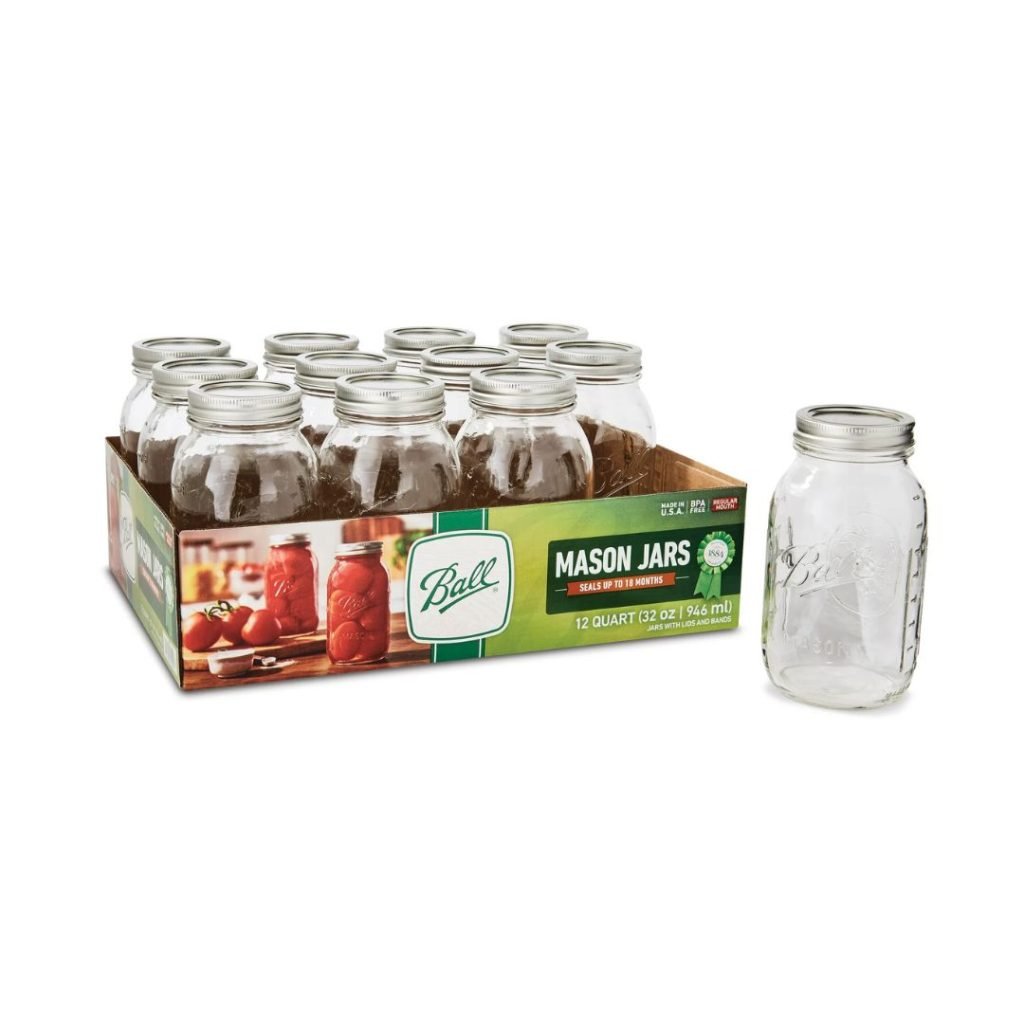
Quart Jars
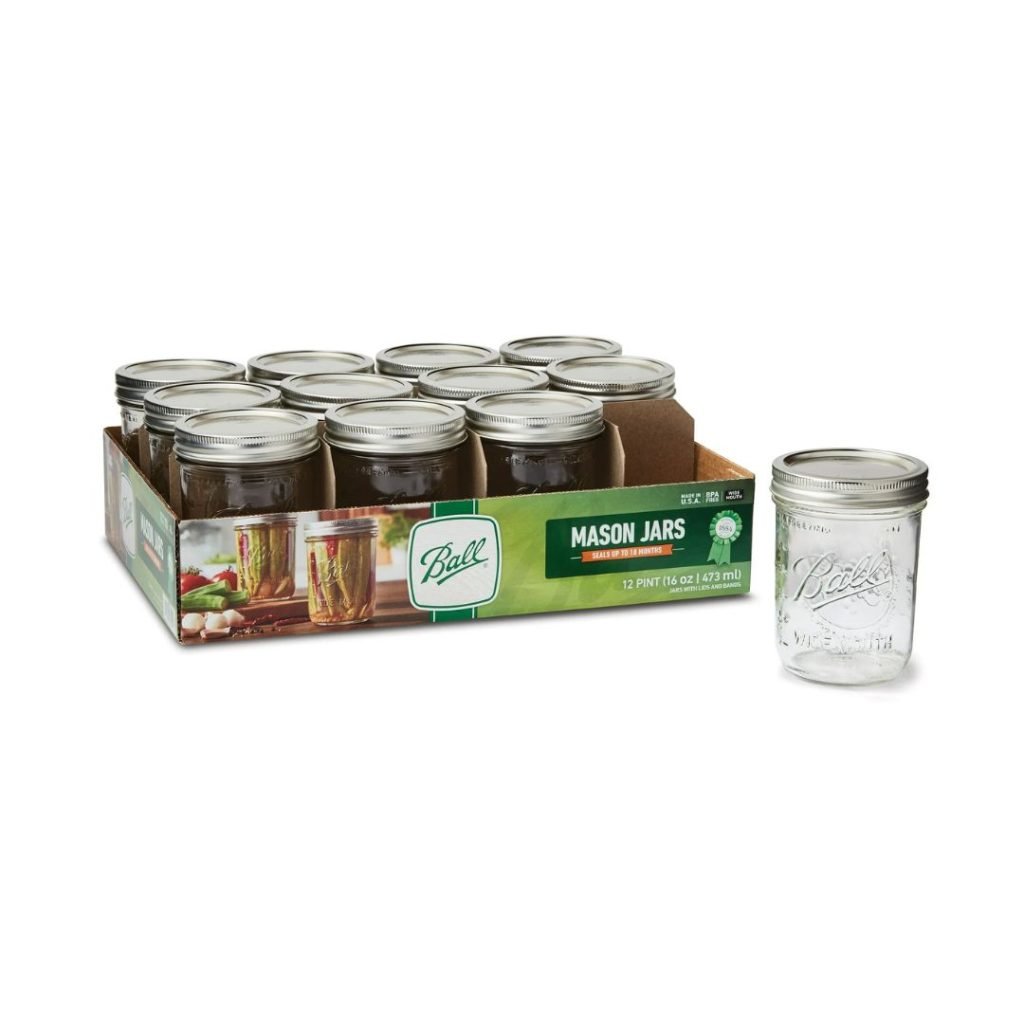
Wide Mouth Pint Jars
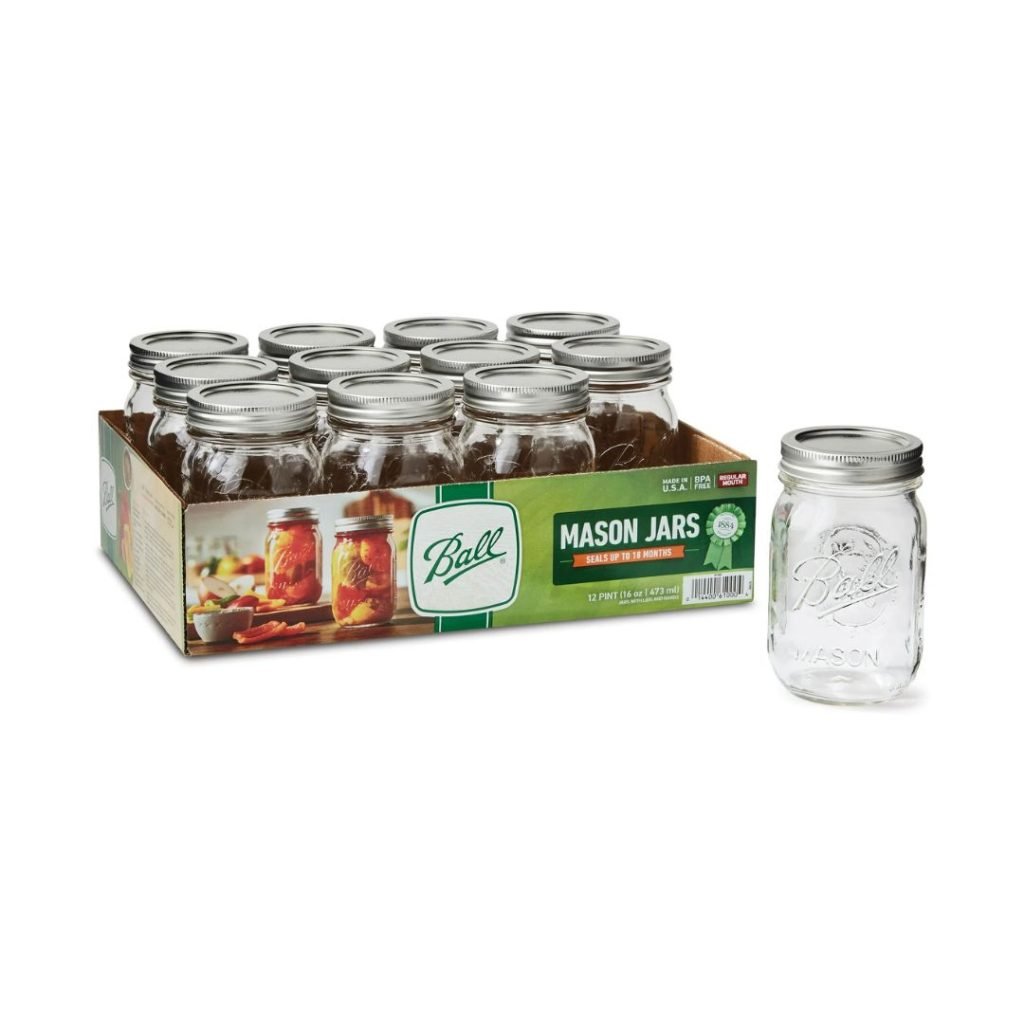
Pint Jars
Comparing Nutritional Value
Nutritional Value in Freeze Drying
Freeze-drying is a dehydration method that involves removing moisture from food by freezing it and then subjecting it to a vacuum. This process results in a product that has a longer shelf life and retains more of its original flavor and texture than dehydrated food. In terms of nutritional value, freeze-drying is also considered superior to dehydrating.
Freeze-drying preserves more of the nutrients in food than dehydrating because it does not use heat to remove moisture. Heat can cause the breakdown of nutrients, such as vitamins and minerals, which can result in a loss of nutritional value. Freeze-drying also helps retain antioxidants, which can help prevent the oxidation of fats and other molecules in the body.
One study found that freeze-dried strawberries retained more vitamin C and total phenolic compounds than dehydrated strawberries. Another study found that freeze-dried blueberries had higher levels of anthocyanins, which are antioxidants that give the fruit its blue color, than dehydrated blueberries.
Nutritional Value in Dehydrating
Dehydrating is a method of removing moisture from food by exposing it to heat. While dehydrating is a less expensive method of food preservation than freeze-drying, it does result in a loss of nutritional value. This is because the heat used in the process can cause the breakdown of nutrients.
Dehydrated food typically retains around 60% of the nutritional value of fresh food, whereas freeze-dried food can retain up to 97% of its nutritional value. However, dehydrated food can still be a good source of nutrients, especially if it is consumed soon after being dehydrated.
In one study, dehydrated carrots were found to have higher levels of beta-carotene, a precursor to vitamin A, than fresh carrots. Another study found that dehydrated tomatoes had higher levels of lycopene, an antioxidant that gives tomatoes their red color, than fresh tomatoes.
Overall, while both freeze-drying and dehydrating can be effective methods of food preservation, freeze-drying is considered superior in terms of retaining nutritional value. However, dehydrated food can still be a good source of nutrients if consumed soon after being dehydrated.

GRAB A COPY OF MY FREE Guide
Homesteading for Beginners
… Even if you’re short on time, have no idea where to start, and don’t want to give up modern luxuries.
Food Types Suitable for Each Method
Foods for Freeze Drying
Freeze-drying is an ideal method for preserving foods that are sensitive to heat and moisture, such as fruits, vegetables, and herbs. It is also suitable for preserving cooked meat, entire meals, and sauces. Freeze-drying works by removing moisture from the food while retaining its nutrients, flavor, and texture. This method is known to produce high-quality, long-lasting food that can be easily rehydrated when needed.
Fruits that are suitable for freeze-drying include berries, apples, bananas, and pineapples. Vegetables that can be freeze-dried include peas, corn, and green beans. Herbs such as basil, oregano, and thyme can also be preserved using this method. Cooked meat, such as chicken, beef, and pork, can be freeze-dried as well. Entire meals, such as soups and stews, can also be preserved using freeze-drying, as well as sauces such as tomato sauce and gravy.
Foods for Dehydrating
Dehydrating is a method of food preservation that involves removing moisture from the food. This method is suitable for preserving fruits, vegetables, and herbs, as well as raw meat, eggs, and dairy products. Dehydrating works by using low heat to slowly remove moisture from the food, which can take several hours or even days. The resulting food is lightweight and compact, making it ideal for camping and hiking trips.
Fruits that are suitable for dehydrating include apples, bananas, and berries. Vegetables that can be dehydrated include carrots, onions, and peppers. Herbs such as parsley, rosemary, and thyme can also be preserved using this method. Raw meat, such as beef and chicken, can be dehydrated as well, but it must be cooked first to ensure that it is safe to eat. Eggs and dairy products such as milk can also be dehydrated, but they must be powdered first.
In conclusion, both freeze-drying and dehydrating are effective methods of food preservation, but they are suitable for different types of foods. Freeze-drying is ideal for preserving foods that are sensitive to heat and moisture, while dehydrating is suitable for a wider range of foods, including raw meat and dairy products. When choosing a method of food preservation, it is important to consider the type of food being preserved and the intended use of the preserved food.
Taste and Texture Differences
When it comes to food preservation methods, taste and texture are important factors to consider. Freeze drying and dehydration are two of the most popular methods for preserving food. Both methods have their pros and cons, and they tend to alter the natural taste and texture of food ever-so-slightly.
Taste and Texture in Freeze Dried Foods
Freeze-dried food tends to be more brittle, crunchy, and some foods could even be considered airy. This is because the freeze-drying process removes all the moisture from the food, leaving behind a dry, crispy texture. However, freeze-dried food retains much of its original flavor, and it tends to have a more natural taste compared to dehydrated food.
Freeze-dried food can be rehydrated easily, and it will return to its original texture and flavor. When rehydrated, freeze-dried food tends to have a softer texture and a more natural taste. This makes it a great option for camping and hiking trips, where lightweight, easy-to-carry food is essential.
Taste and Texture in Dehydrated Foods
Dehydrated food tends to have a leathery, crispy, or even chewy texture. This is because the dehydration process removes most of the moisture from the food, but not all of it. Dehydrated food tends to have a stronger flavor compared to freeze-dried food, but it may not taste as natural.
Rehydrating dehydrated food can be a bit more challenging compared to freeze-dried food. The texture of dehydrated food may not return to its original state when rehydrated, and the flavor may be slightly altered. However, dehydrated food can still be a great option for long-term food storage, as it can last for years without spoiling.
In summary, the taste and texture of freeze-dried and dehydrated food differ slightly. Freeze-dried food tends to have a more natural taste and a softer texture when rehydrated, while dehydrated food tends to have a stronger flavor and a leathery or chewy texture. Both methods have their pros and cons, and it ultimately comes down to personal preference and intended use.
Shelf Life and Preservation
When it comes to food preservation methods, both freeze drying and dehydration are popular options. However, one of the biggest advantages of freeze-dried food is its longer shelf life. In this section, we will explore the shelf life of both freeze-dried and dehydrated foods and what factors affect their preservation.
Shelf Life of Freeze Dried Foods
Freeze-dried foods have an impressive shelf life that can range from 25 to 30 years when stored properly in sealed containers. This extended shelf life is due to the extremely low moisture content, which inhibits microbial growth and enzymatic reactions. Freeze-drying removes more moisture than dehydration, which makes it a more effective method of food preservation. Oxygen absorbers can also be added to the packaging to further reduce oxidation and spoilage.
The packaging used for freeze-dried foods is also an important factor in their preservation. Mylar bags are commonly used as they provide an airtight seal that prevents moisture and oxygen from entering the package. The bags are also durable and can protect the food from light and punctures.
Shelf Life of Dehydrated Foods
Dehydrated foods have a shorter shelf life than freeze-dried foods. Typically, dehydrated foods can last up to a year when stored properly in a cool, dry place. However, the shelf life can vary depending on the type of food and the method of dehydration used.
Dehydration removes less moisture than freeze-drying, which makes it less effective in inhibiting bacterial growth and enzymatic reactions. As a result, dehydrated foods are more susceptible to spoilage and oxidation. To extend the shelf life of dehydrated foods, they should be stored in airtight containers with oxygen absorbers to reduce the risk of spoilage.
Overall, freeze-drying is a more effective method of food preservation when it comes to shelf life. However, dehydrated foods can still be a good option for short-term storage or for those on a budget. It is important to store both types of foods properly in a cool, dry place away from light and moisture to ensure their longevity.
Cost and Equipment Considerations
When it comes to cost and equipment considerations, both freeze drying and dehydrating have their own unique factors to consider.
Cost of Freeze Drying
Freeze drying equipment can be quite expensive, with home freeze dryers costing anywhere from $2,000 to $6,000, and commercial freeze dryers costing even more. Additionally, freeze dryers require regular maintenance and cleaning to ensure proper functionality. The process of freeze drying also takes a lot of energy and time to complete, which can increase operational costs.
However, freeze drying can be a cost-effective method of food preservation in the long run. Freeze-dried foods can last for years or even decades if stored properly, which can save money on food waste and restocking.
Cost of Dehydrating
Dehydrators are generally more affordable than freeze dryers, with home dehydrators costing anywhere from $30 to $300. However, dehydrated foods tend to have a shorter shelf life than freeze-dried foods, which can lead to more frequent restocking and potentially higher costs in the long run.
Dehydrating also requires more energy than freeze drying, as the process involves heating food for an extended period of time to remove moisture. This can lead to higher energy costs and potentially longer processing times.
In terms of equipment, dehydrators are generally easier to use and require less maintenance than freeze dryers. They also tend to take up less space, making them a more practical option for home use.
Overall, the cost and equipment considerations of freeze drying and dehydrating will depend on individual needs and preferences. It is important to weigh the upfront costs and long-term benefits of each method before making a decision.
Convenience and Variety
When it comes to convenience and variety, both freeze drying and dehydrating have their advantages and disadvantages. Let’s take a closer look at each method.
Convenience of Freeze Drying
Freeze drying is a convenient method of food preservation because it allows for a wide range of foods to be preserved, including full meals. Freeze-dried foods are lightweight and take up less space than dehydrated foods, making them an excellent choice for camping, hiking, and emergency situations. Additionally, freeze-dried foods are easy to rehydrate by simply adding hot or cold water, making them a quick and convenient option for everyday use.
Convenience of Dehydrating
Dehydrating is also a convenient method of food preservation, but it has some limitations. Dehydrated foods are lighter in weight than their fresh counterparts, making them easy to transport, but they take up more space than freeze-dried foods. Dehydrating also requires more space than freeze drying, as the food needs to be spread out on trays to dry properly. However, dehydrated foods are a great option for snacking and can be used in a variety of recipes, including soups, stews, and baked goods.
Overall, both freeze drying and dehydrating offer convenient options for preserving food. The choice between the two methods will depend on personal preferences and intended use.

Don’t Break the Bank!!
Homesteading on a Budget
7 inexpensive ways to start homesteading without spending hundreds of dollars.
Enter your name and email and we will send you our FREE guide.
Conclusion
In summary, both freeze-drying and dehydrating are popular methods of food preservation, each with their own advantages and disadvantages. Freeze-drying tends to retain more nutrients and flavor, and has a longer shelf life than dehydrating. However, it is also a more expensive and time-consuming process. Dehydrating, on the other hand, is a quicker and more affordable method, but can result in a loss of nutrients and flavor.
When deciding which method to use, it is important to consider the specific needs and circumstances. Freeze-drying may be more suitable for long-term storage or for preserving delicate foods such as fruits and herbs, while dehydrating may be a better option for quick snacks or for preserving heartier foods such as jerky or vegetables.
Ultimately, the choice between freeze-drying and dehydrating will depend on the individual’s preferences and needs. Both methods can be effective in preserving food, and it is up to the user to determine which option is best for them.