
Homemade Kitchen Cleaners
In today’s fast-paced world, many moms are seeking ways to simplify their routines, prioritize health, and infuse more meaning into daily tasks. One area where these values converge is in the adoption of homemade kitchen cleaners. By crafting their own cleaning solutions, moms can reduce exposure to harsh chemicals, save money, and engage in eco-friendly practices that benefit their families and the planet.
Disclosure: As an Amazon affiliate, I earn from qualifying purchases at no extra cost to you. My blog contains other affiliate links as well for your convenience. To learn more, you may read my Disclosure Policy. Thank you for supporting my blog!
Why Choose Homemade Kitchen Cleaners?
Moms are increasingly voicing concerns about the potential health risks associated with commercial cleaning products. The complex chemical names listed on labels can be intimidating, leading to questions about their safety, especially around children and pets. Additionally, the environmental impact of disposable plastic bottles and non-biodegradable ingredients is prompting a shift towards more sustainable choices.
By creating homemade kitchen cleaners, moms are taking control over the substances introduced into their homes. This proactive approach not only ensures a healthier living environment but also sets a positive example for children about the importance of mindful consumption and environmental stewardship.

Getting Started: Essential Ingredients
Embarking on the journey of making homemade kitchen cleaners is both simple and rewarding. Many effective cleaning solutions can be crafted using common household items, eliminating the need for expensive specialty products. Here are some staple ingredients that form the foundation of DIY cleaners:
- White Vinegar: A natural disinfectant, vinegar effectively cuts through grease and grime. Its acidic nature makes it suitable for dissolving mineral deposits and soap scum.
- Baking Soda: Known for its gentle abrasive properties, baking soda is excellent for scrubbing surfaces without scratching. It also neutralizes odors, making it ideal for deodorizing refrigerators and trash cans.
- Lemon Juice: The natural acidity of lemon juice provides antibacterial and antiseptic properties. Its fresh scent also leaves kitchens smelling clean and inviting.
- Castile Soap: A plant-based soap that is gentle yet effective, Castile soap can be used to clean a variety of surfaces, from countertops to dishes.
- Essential Oils: Adding a few drops of essential oils like tea tree, lavender, or eucalyptus can enhance the cleaning power and impart pleasant fragrances to homemade solutions.
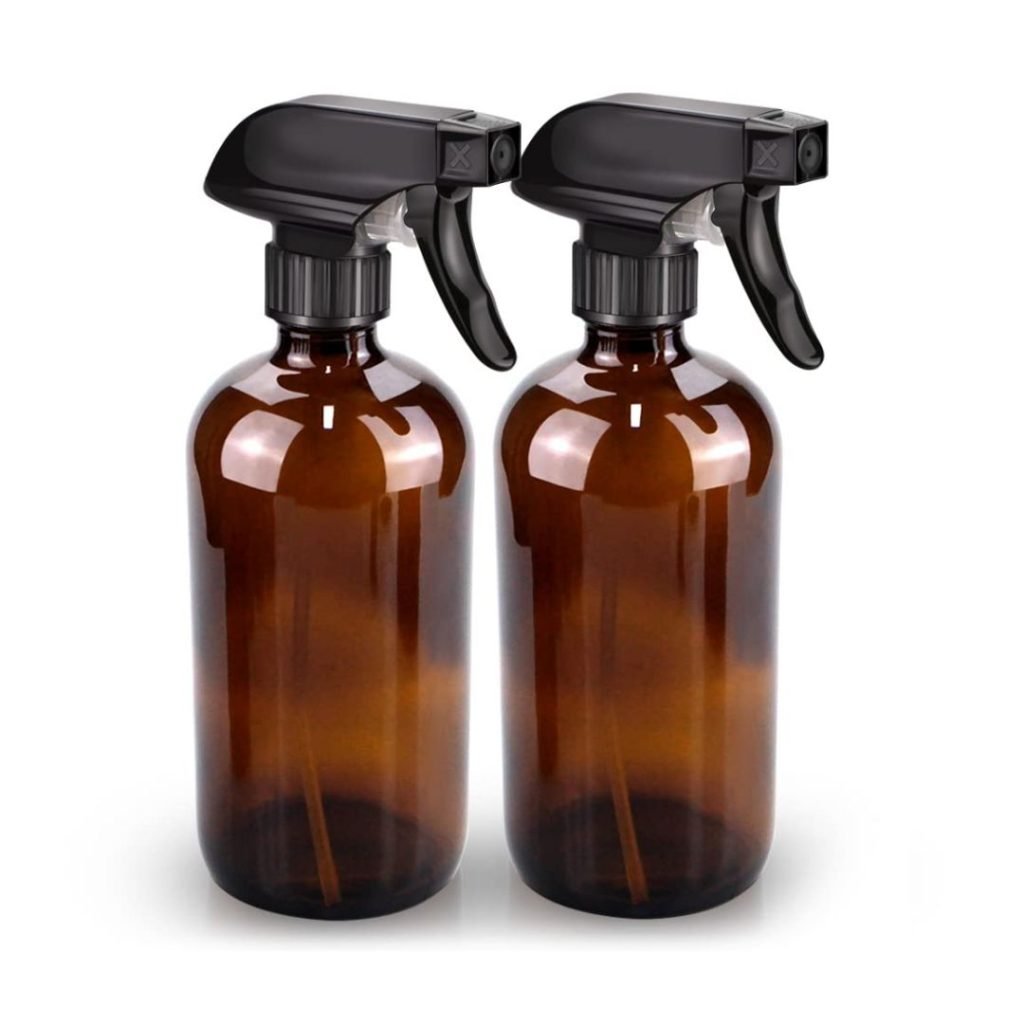
Glass Spray Bottle
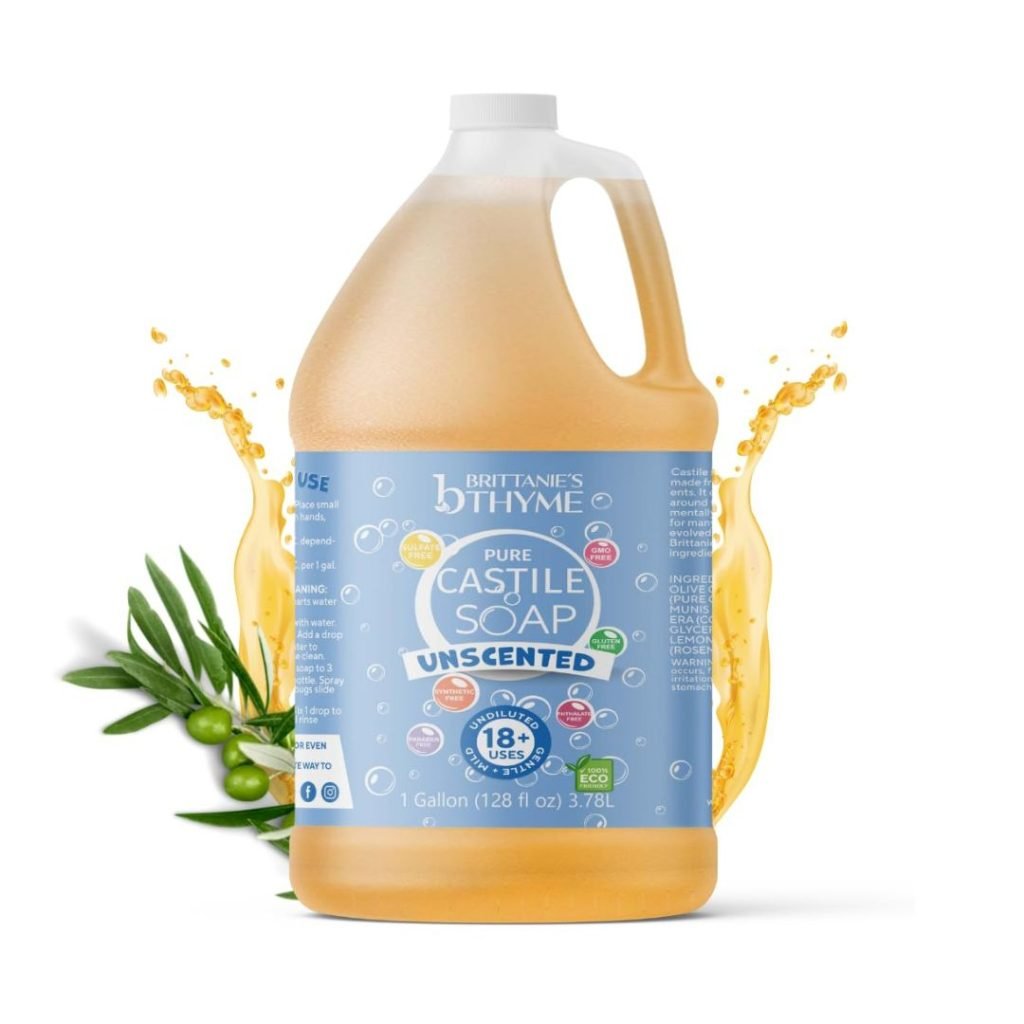
Organic Castile Liquid Soap

Lemon Essential Oil

Tea Tree Essential Oil
All-Purpose Cleaner
An all-purpose cleaner is a versatile solution that can be used on various surfaces, simplifying the cleaning process for busy moms. Here’s a straightforward recipe:
Ingredients:
- 1 cup white vinegar
- 1 cup distilled water
- 1 teaspoon Castile soap
- 10 drops essential oil (e.g., lemon or lavender)
Instructions:
- Combine the vinegar and water in a spray bottle.
- Add the Castile soap and essential oil.
- Shake well before each use.
This cleaner is suitable for countertops, stovetops, and other kitchen surfaces. However, avoid using it on natural stone surfaces like granite or marble, as the acidity can damage them.
Degreasing Cleaner
Kitchens often accumulate grease, especially around cooking areas. A homemade degreasing cleaner can effectively tackle these stubborn spots.
Ingredients:
- 2 cups warm water
- 1 tablespoon baking soda
- 1 teaspoon Castile soap
- 10 drops citrus essential oil (e.g., orange or grapefruit)
Instructions:
- Dissolve the baking soda in warm water.
- Add the Castile soap and essential oil.
- Pour the mixture into a spray bottle and shake well.
Spray this solution on greasy areas, let it sit for a few minutes, then wipe clean with a damp cloth.
Glass and Mirror Cleaner
For moms seeking streak-free shine on glass surfaces without the use of ammonia-based cleaners, this homemade solution is ideal.
Ingredients:
- 1 cup distilled water
- 1 cup rubbing alcohol (isopropyl alcohol)
- 1 tablespoon white vinegar
Instructions:
- Mix all ingredients in a spray bottle.
- Shake gently to combine.
Spray onto glass surfaces and wipe with a lint-free cloth or newspaper for a streak-free finish.

GRAB A COPY OF MY FREE Guide
Homesteading for Beginners
… Even if you’re short on time, have no idea where to start, and don’t want to give up modern luxuries.
Natural Scrubbing Powder
For tougher stains and baked-on residue, a natural scrubbing powder provides the extra abrasion needed without scratching surfaces.
Ingredients:
- 1 cup baking soda
- 1 cup washing soda
- 1 cup finely grated Castile soap bar
- 10 drops essential oil (e.g., tea tree or eucalyptus)
Instructions:
- Combine all dry ingredients in a bowl.
- Add essential oil and mix thoroughly.
- Store in an airtight container.
To use, sprinkle the powder onto the surface, scrub with a damp sponge or cloth, and rinse thoroughly.
Involving the Family
Engaging children in the process of making and using homemade kitchen cleaners can be both educational and fun. It teaches them valuable lessons about sustainability, chemistry, and the importance of maintaining a clean living space. Plus, the satisfaction of contributing to household chores can boost their sense of responsibility and accomplishment.
Safety Considerations
While homemade cleaners are generally safer than commercial products, it’s essential to label all solutions clearly and store them out of reach of young children. Additionally, always perform a spot test on a small, inconspicuous area before using a new cleaner on any surface to ensure compatibility.
Transitioning to homemade kitchen cleaners empowers moms to create a healthier home environment, reduce environmental impact, and impart valuable life lessons to their children. With simple ingredients and easy-to-follow recipes, integrating these practices into daily routines can be both manageable and rewarding. Embracing this approach not only leads to a cleaner kitchen but also contributes to a more intentional and meaningful