
Real-Life Use of an Oscillating Wood Stove Fan
The Cozy Reality of Wood Heat
If you heat your home with wood, you already know the routine.
The stove is roaring. The living room feels perfectly toasty.
But the kitchen? Still chilly.
And if your house has high ceilings like ours, that warmth loves to rise—leaving the people down below reaching for an extra sweater.
When we moved into our current home, that’s exactly what was happening. The living area was warm and inviting, but walk a few steps toward the kitchen, and you could feel the temperature drop. We love the rhythm of heating with wood—it’s cozy, it’s grounding, it’s part of the lifestyle we’ve chosen. But we also wanted that warmth to work smarter for our family.
That’s when we discovered the quiet little hero of today’s post: the oscillating wood stove fan.
Disclosure: As an Amazon affiliate, I earn from qualifying purchases at no extra cost to you. My blog contains other affiliate links as well for your convenience. To learn more, you may read my Disclosure Policy. Thank you for supporting my blog!
Why We Needed a Change
When we first started homesteading, our wood stove was our pride and joy.
We’d sit by the fire, drink coffee, and feel grateful for every bit of warmth it brought. But in this house, the setup was different. The ceilings in our living room stretch high, while the kitchen ceiling drops low—making heat distribution tricky.
We didn’t want to crank up the stove or make major changes to our heating setup.
We just needed a way to circulate the heat we already had into other areas of the house—especially the kitchen, where so much of our family life happens.
That’s when I remembered how much a stove fan had helped us in the past… and how much better it could be if we found one that truly worked for our space.
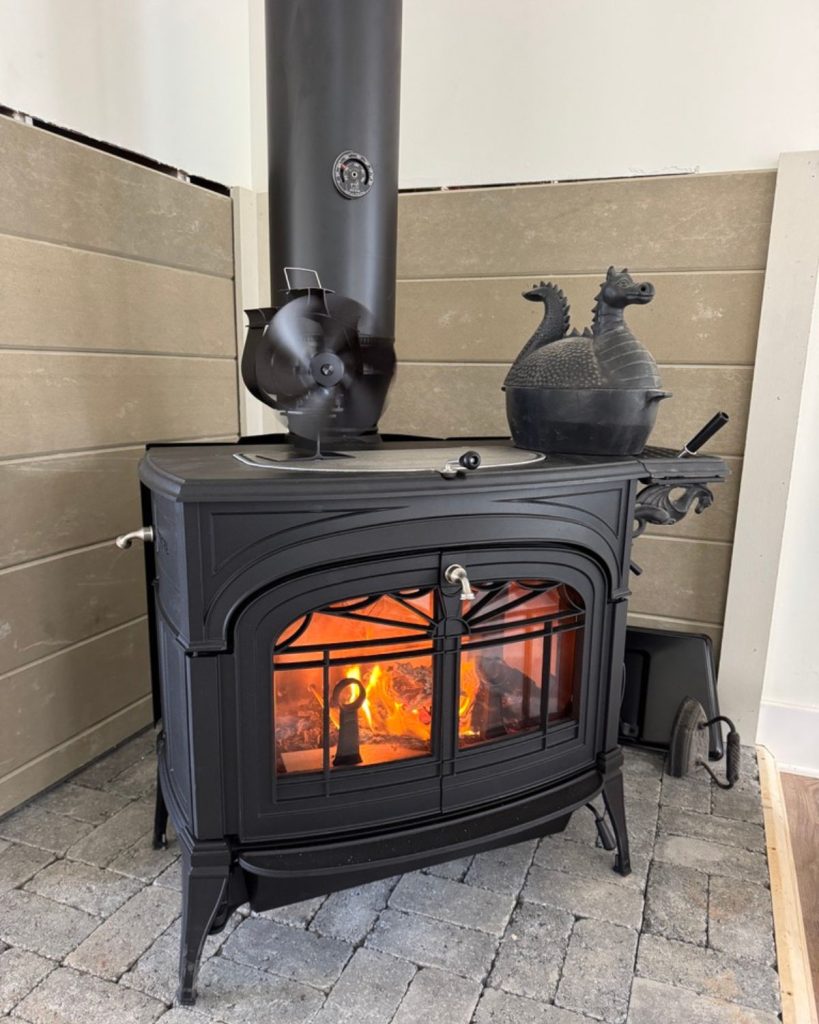
Our History with Wood Stove Fans
We’ve actually used wood stove fans for years.
Our first one looked sleek, cost a pretty penny, and—unfortunately—didn’t last.
By the second heating season, it quit working altogether.
That fan pushed air in one direction only, and while it helped a little, it was never enough to warm the whole space. When it broke, I wasn’t exactly eager to invest in another one. I’ve learned that in homesteading, not everything that promises to make life easier actually does.
So when we came across a newer oscillating design, I was intrigued but skeptical. Could it really make that much of a difference?
Spoiler: it could. And it did.
What Happened When We Tried It
The very first evening we used the oscillating fan, the change was immediate.
You could feel warm air moving into the kitchen and even down the hallway toward the bedrooms.
It wasn’t a harsh gust of air—just a gentle circulation that evened out the temperature throughout the house.
Our living room no longer felt “too hot” while the rest of the house stayed cool. Instead, everything balanced out. Within a few minutes, the kitchen warmed up noticeably faster than usual.
And the best part?
We didn’t change a single part of our routine.
No new gadgets to turn on.
No extra work.
No added noise.
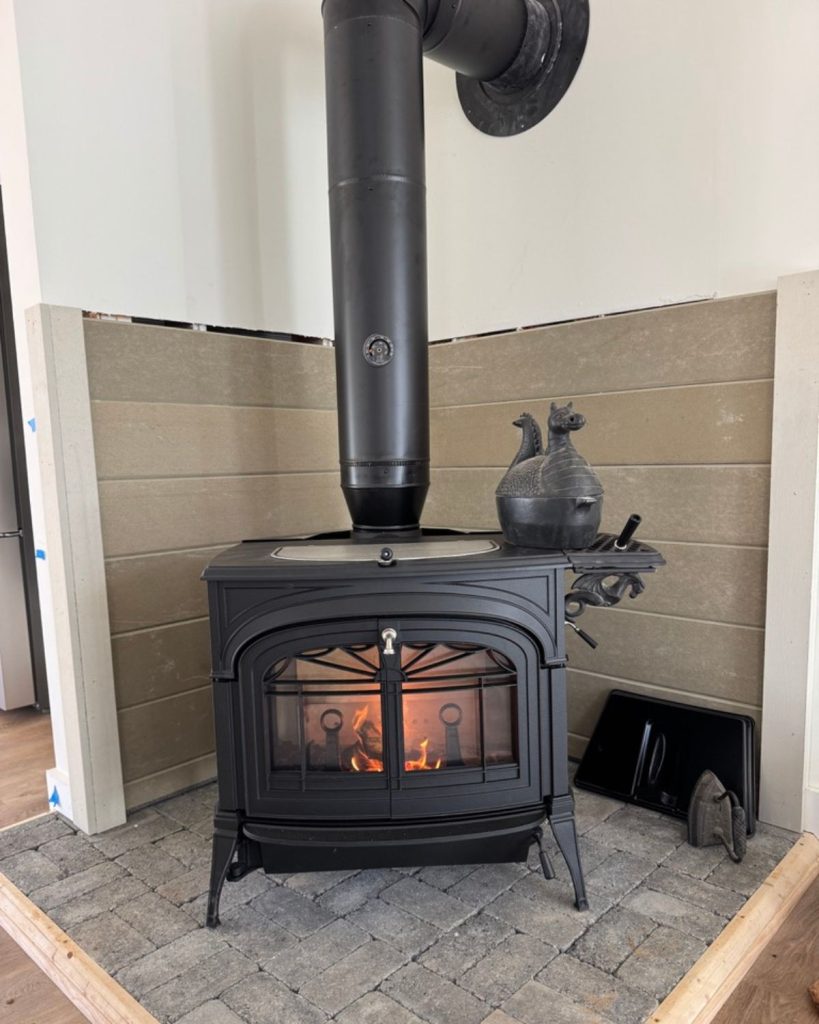
The fan simply sat on top of the stove and did its job quietly, using the stove’s own heat to power itself.
It’s one of those upgrades that makes you think, Why didn’t we do this sooner?
Why the Oscillating Feature Matters
Traditional wood stove fans push warm air in one fixed direction, which is fine if your stove faces the main living space. But in many homes—especially with open layouts or high ceilings—warm air doesn’t move evenly on its own.
An oscillating fan changes that completely.
Instead of focusing heat on a single area, the fan sweeps side-to-side, distributing warmth across a wider range. The result? A more balanced, comfortable space—without cold corners or “hot zones.”
And because the air movement is subtle and constant, you don’t get that “blast” effect that some electric fans create. It just feels like the warmth naturally belongs everywhere, not just right in front of the stove.
Built to Last (Finally!)
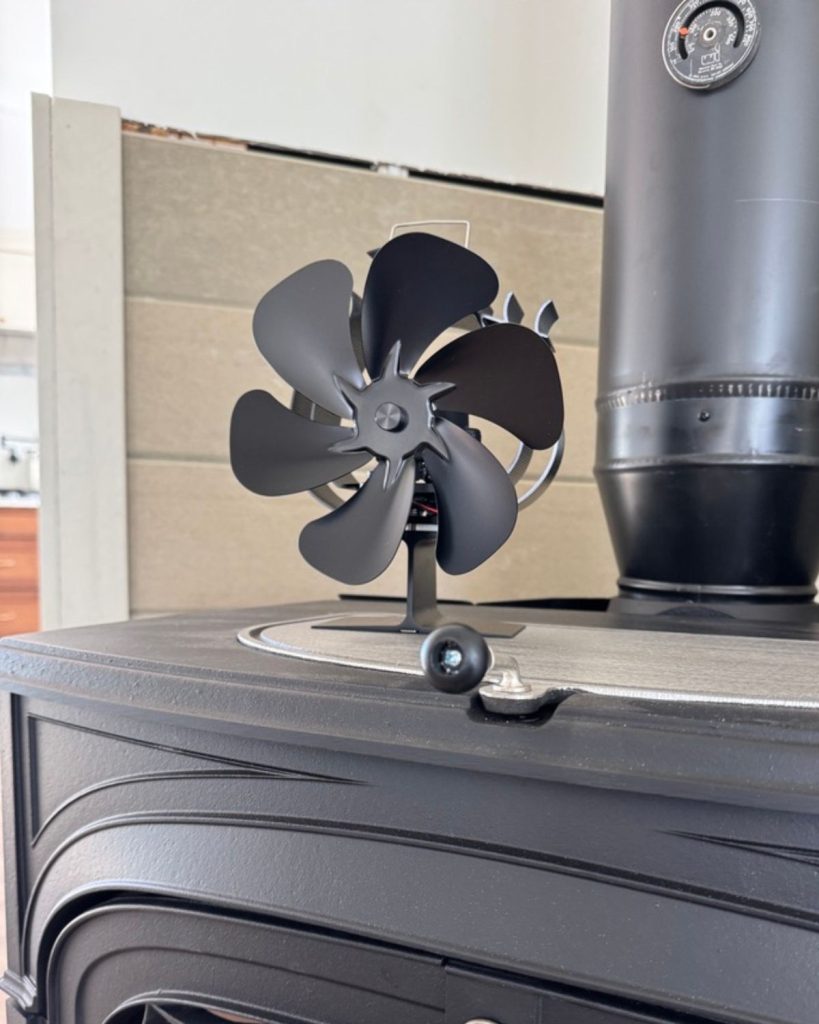
After our first fan’s early demise, I’ve become a stickler for quality. This one impressed me from the start. The materials feel sturdy, the blades are balanced, and the base sits solidly on our stove surface.
If you’re heating daily for months at a time, that sturdiness really matters. The last thing you want is a fan that rattles, warps, or gives up mid-season. This one’s handled continuous use beautifully—and it still looks brand-new.
Who This Upgrade Is For
You’ll love an oscillating stove fan if you:
✅ Heat primarily with wood
✅ Have high ceilings, open layouts, or side rooms that stay cold
✅ Want to make your current system more efficient
✅ Prefer simple, low-maintenance solutions
If you’re nodding along to any of those, this fan might be one of those “small things” that makes a big impact on your comfort this winter.
The Bigger Homestead Lesson
Here’s what I’ve realized after years of trying (and sometimes failing) to live simply:
Simple living doesn’t mean doing everything the hard way.
It means being thoughtful about what supports your family and your rhythms.
It’s not about ditching all modern conveniences—it’s about choosing tools that make your life work better, not busier.
Adding this fan didn’t complicate anything.
It actually made our home feel calmer.
The kind of calm that comes from walking into the kitchen, feeling that wave of cozy warmth, and thinking, Yes. This is what home should feel like.
That’s what I want for every mom, every family trying to balance the real demands of modern life with the heart of homesteading: comfort, connection, and a sense of control over your environment.
Practical Tips if You’re Considering One
1. Look for a sturdy base and solid materials.
Avoid plastic parts if possible. You want a fan that can handle daily heating cycles without warping.
2. Prioritize oscillation.
That side-to-side motion is what helps distribute warmth evenly—especially in homes with open floor plans.
3. Make sure it’s heat-powered.
Most modern stove fans don’t need electricity; they use the heat from your stove to generate power. This keeps them energy-free and silent.
4. Place it strategically.
The best spot is usually near the back or side of your stove, angled toward the area you want to warm. Experiment a little—you’ll notice quickly what works best.
5. Check for reviews on durability.
Fans work under consistent heat stress, so longevity is key. Ours has lasted two seasons already and shows no signs of slowing down.
Everyday Impact
Sometimes, homestead life feels like a never-ending to-do list: feeding animals, prepping meals, juggling schoolwork, laundry, and everything else.
But it’s these small, quiet wins—like walking into a room that’s finally warm—that remind me why we’re doing all this in the first place.
Every small improvement builds a little more peace into our home. And those moments of peace are what keep us going.
Final Thoughts
If you’re heating with wood and constantly battling cold spots or uneven warmth, an oscillating stove fan might be the most practical upgrade you make this year.
It’s not fancy.
It’s not another gadget to manage.
It’s just a simple, sturdy, self-powered fan that helps your home feel warmer—faster.
Because simple living isn’t about doing more.
It’s about finding what works.
And this little fan? It works beautifully.
FAQ: Common Questions About Wood Stove Fans
Do oscillating stove fans really make a difference?
Yes! The oscillation helps circulate warm air across a wider space, preventing hot and cold zones in your home.
Do they need electricity?
No—most are thermoelectric, using the stove’s heat to generate power.
Can I use one on any stove?
They’re designed for flat-top wood stoves. Make sure your model allows for safe placement and check the temperature range before use.
Is it noisy?
Not at all. Ours is nearly silent—just a soft hum that blends with the crackle of the fire.
Where can I buy one?
We’ll link the model we use below so you can check it out yourself.

Join for Free
Roots & Rhythm Community!!
Join a modern circle for moms rediscovering old-fashioned skills and homegrown peace—without giving up modern life. Guides, Challenges, Community & So Much More!!
At Hummingbird Acres, we’re all about making the most of what you already have—and celebrating progress over perfection.
If this post helped you, share it with a friend who heats with wood or dreams of cozying up by their own stove someday.
And if you’re building your own version of a simpler, rooted life—one small step at a time—I’d love to have you join our community.
Because learning, growing, and thriving together?
That’s what homegrown living is all about. 🌿