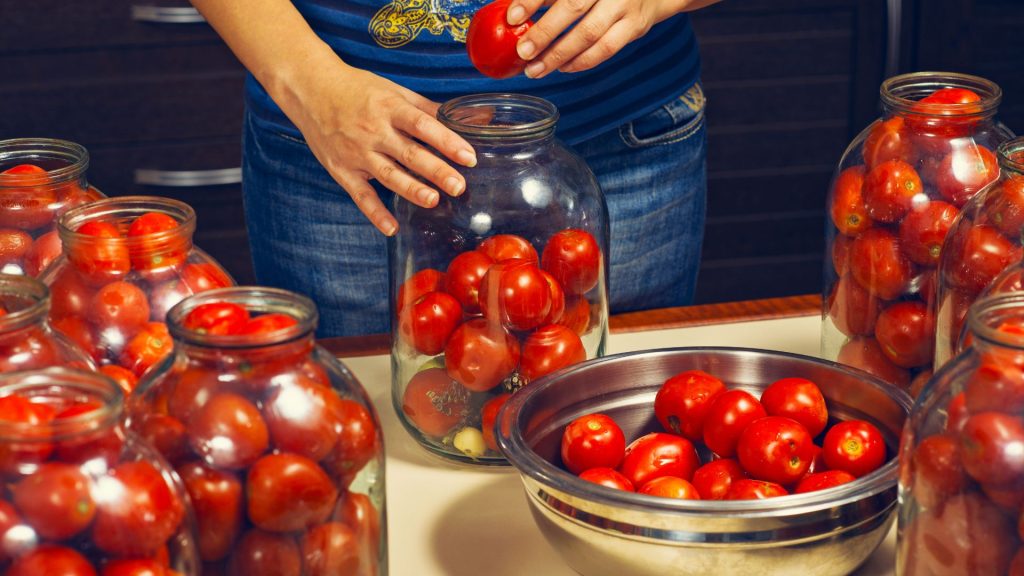
How to Set Up the Perfect Homesteading Kitchen: Essentials for Busy Moms
Creating a homesteading kitchen is a dream for many moms who want to cook nourishing meals, save money, and connect with their families through the heart of the home. Whether you’re new to homesteading or just looking to simplify your kitchen, setting up a functional and inspiring space doesn’t have to be overwhelming. In this guide, we’ll explore homesteading kitchen essentials and show you how to create a space that works for your family, no matter how big or small your kitchen may be.
Let’s dive into the world of organization, tools, workflows, and inspiration to help you build a kitchen that’s efficient, welcoming, and perfectly suited to your homesteading lifestyle.
Disclosure: As an Amazon affiliate, I earn from qualifying purchases at no extra cost to you. My blog contains other affiliate links as well for your convenience. To learn more, you may read my Disclosure Policy. Thank you for supporting my blog!
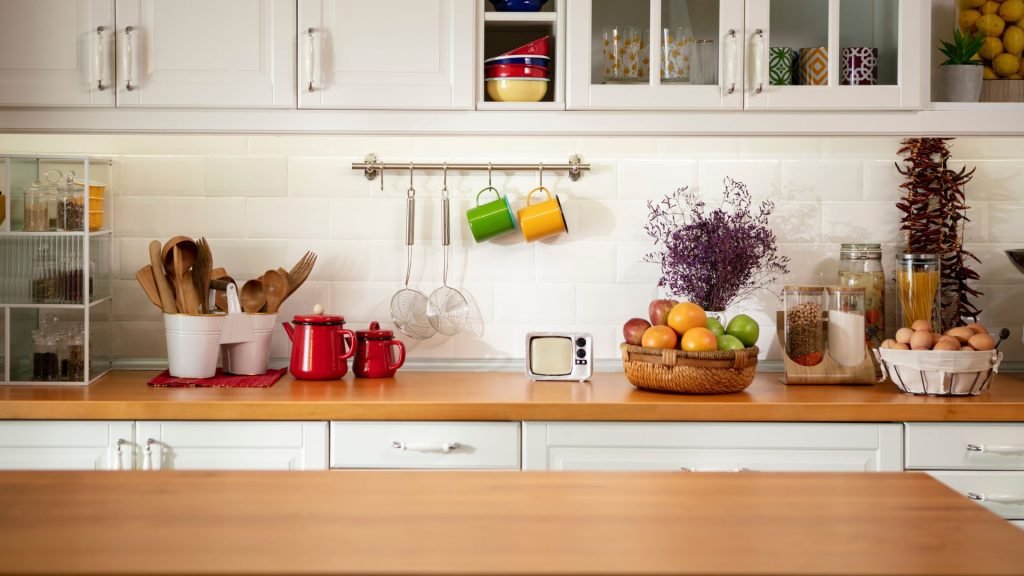
Why a Homesteading Kitchen Matters
Before we dive into the practical tips, let’s talk about why setting up a homesteading kitchen is worth your time and effort. A homesteading kitchen isn’t just about aesthetics (though we love a cozy, farmhouse feel). It’s about creating a functional space where you can:
- Cook healthy meals from scratch with ease.
- Save time and money by planning and prepping efficiently.
- Make the most of your garden harvest, bulk buys, or local ingredients.
- Pass down valuable skills to your kids by involving them in the process.
With the right setup, your kitchen can become a place of creativity, connection, and nourishment for your family. So, let’s get started with the essentials!
1. Organizing Your Homesteading Kitchen
The first step in creating your dream kitchen is getting organized. Without a clear system, even the best tools and ingredients can lead to chaos. Here are some practical tips to maximize your space and keep things running smoothly:
Declutter and Prioritize
Start by clearing out items you don’t use. That bulky juicer you haven’t touched in years? It’s time to donate it. Focus on keeping tools and equipment that you use regularly and that align with your homesteading goals. For example, if you bake bread weekly, prioritize your mixing bowls, dough scraper, and bread pans.
Use Vertical Storage
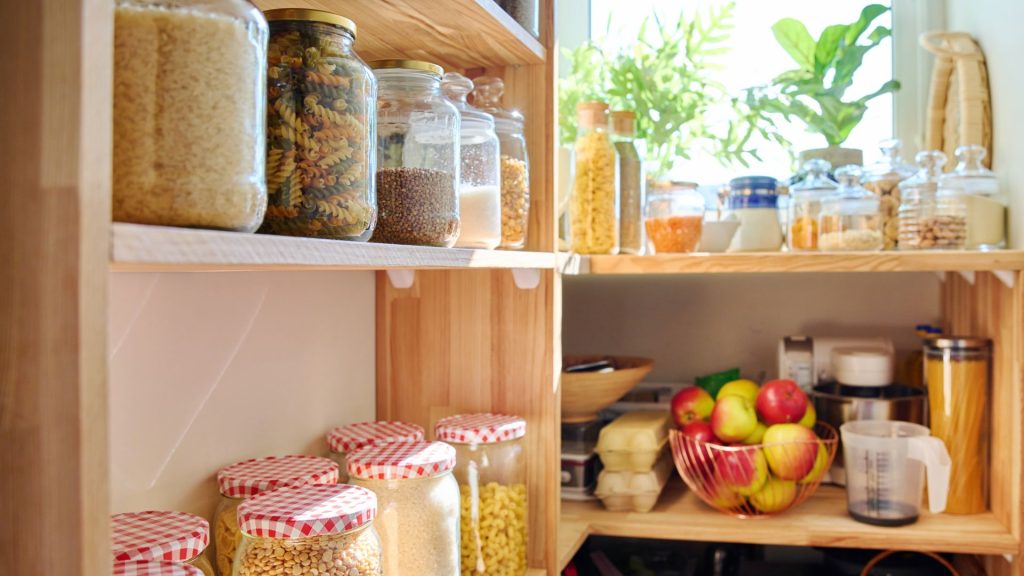
When counter space is limited, think vertically. Add shelves for storing mason jars, spices, or pantry staples in clear containers. Wall hooks can hold cast iron pans, aprons, or measuring cups, freeing up valuable drawer space.
Create Work Zones
Divide your kitchen into zones based on tasks: a baking station, a food prep area, and a preservation corner. Store tools and ingredients near their respective zones to save time and reduce frustration when cooking or preserving food.
The Well-Stocked Pantry
A homesteading kitchen thrives on a well-stocked pantry. Organize bulk items like flour, sugar, oats, and beans in airtight containers. Label everything so it’s easy to find, and create a system for rotating older items to the front to minimize waste. A little organization upfront will save you hours of hassle later.
2. Homesteading Kitchen Essentials: Tools You’ll Actually Use
When it comes to tools, quality beats quantity every time. A homesteading kitchen doesn’t need every gadget on the market, just a few hardworking essentials that can handle a variety of tasks.
Multi-Purpose Tools
- Cast Iron Skillet: Perfect for frying, baking, and even making pizza. With proper care, it will last for generations.
- Dutch Oven: Ideal for slow-cooked meals, baking bread, or simmering soups.
- Sharp Knives: Invest in a good chef’s knife and paring knife—these are your everyday workhorses.
- Cutting Boards: Opt for sturdy, easy-to-clean boards. Having a few allows you to separate meat, veggies, and bread prep.
Preservation Equipment
If you’re serious about preserving your garden’s bounty, these tools are non-negotiable:
- Canning Kit: Includes jars, lids, a funnel, and a jar lifter for safe canning.
- Dehydrator: Great for drying herbs, fruits, and even jerky.
- Vacuum Sealer: Extends the life of frozen foods and prevents freezer burn.
Baking and Fermenting Tools
For moms venturing into sourdough or fermenting, these are must-haves:
- Mixing Bowls: Stainless steel or glass bowls that are easy to clean.
- Dough Scraper: Helps you work with sticky dough effortlessly.
- Fermentation Weights and Airlocks: Perfect for making sauerkraut, kimchi, or pickles.
With just these homesteading kitchen essentials, you can tackle a wide range of cooking, baking, and preserving tasks.
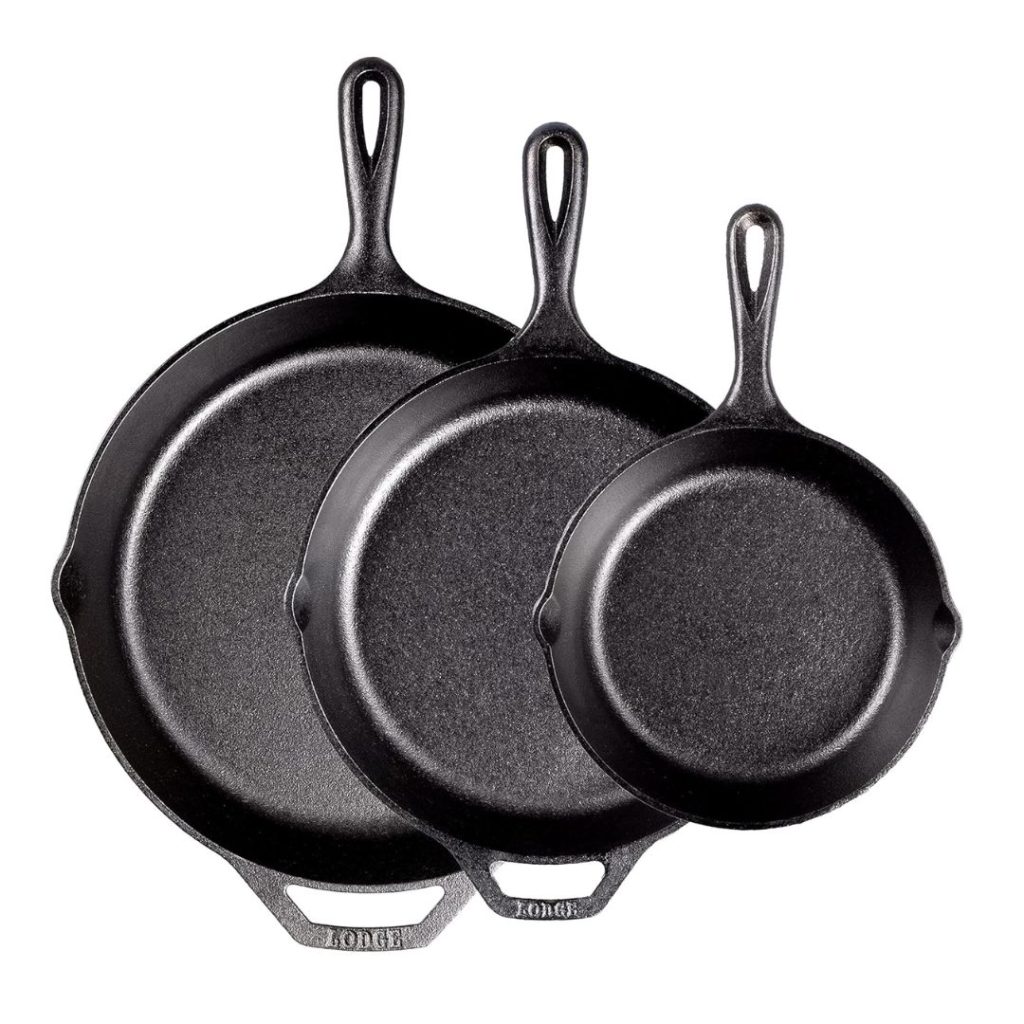
Cast Iron Skillets

Dutch Oven
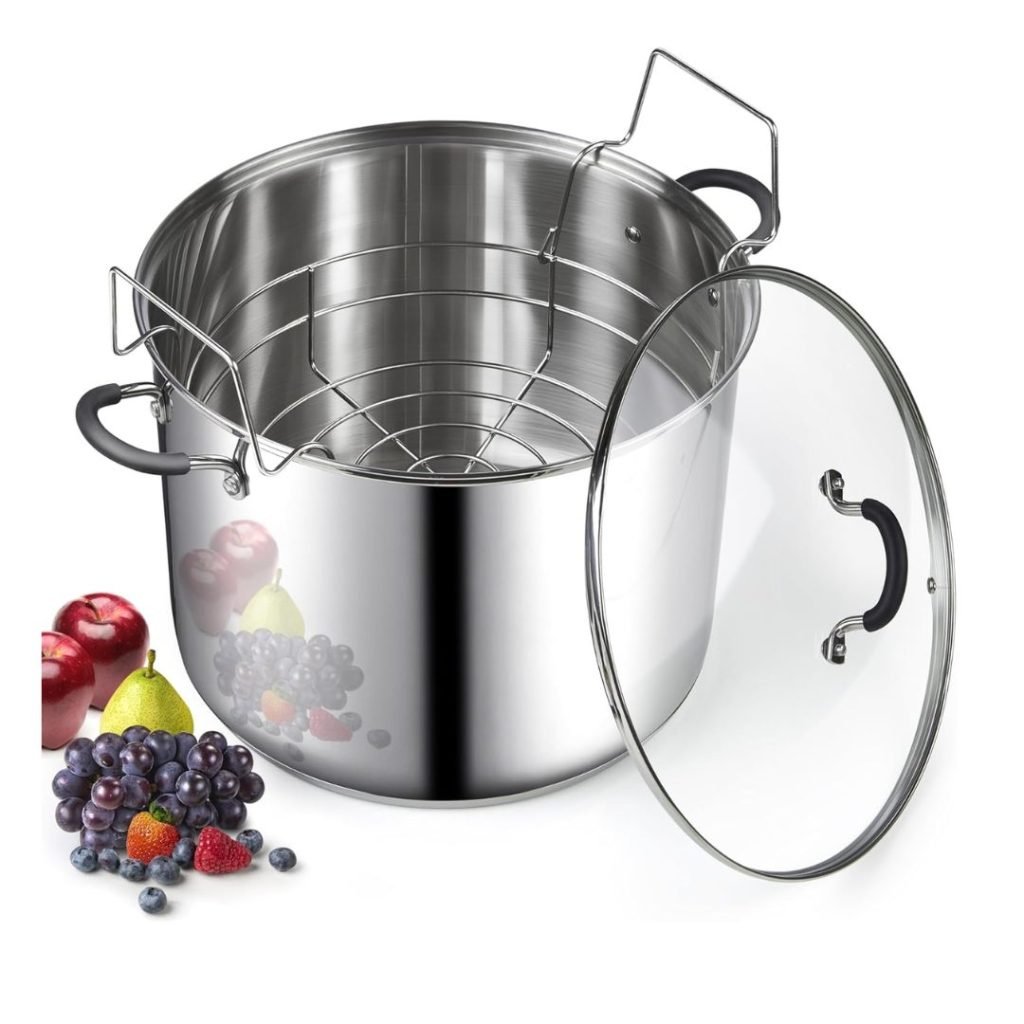
Water Bath Canner
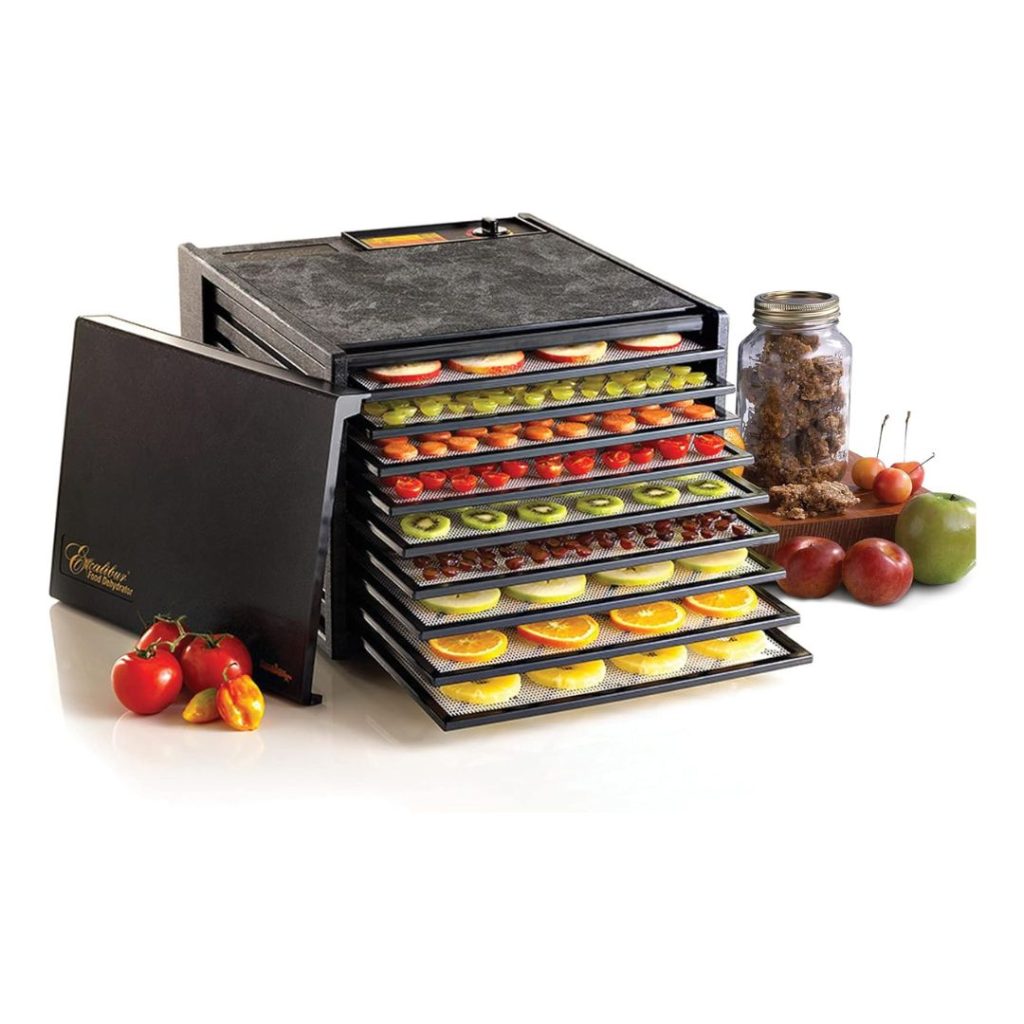
Dehydrator
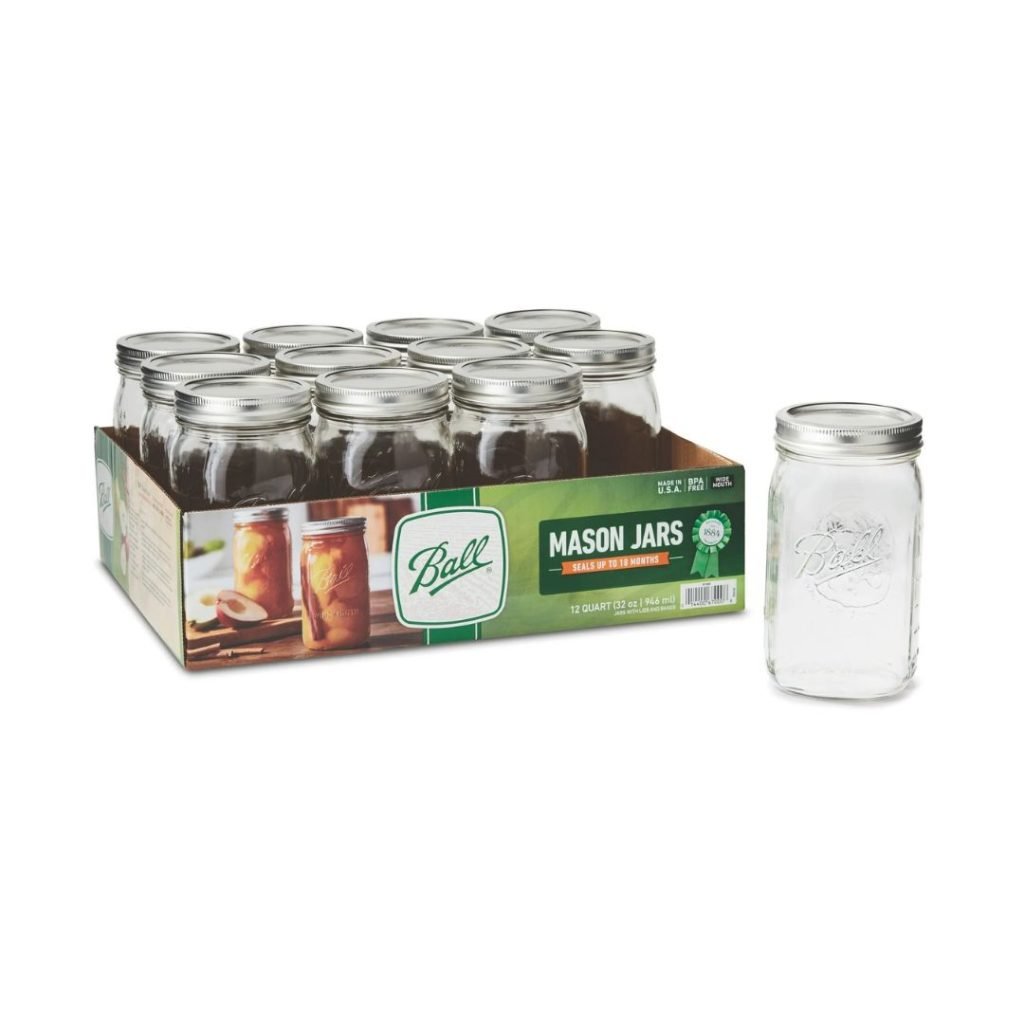
Wide Mouth Quart Jars
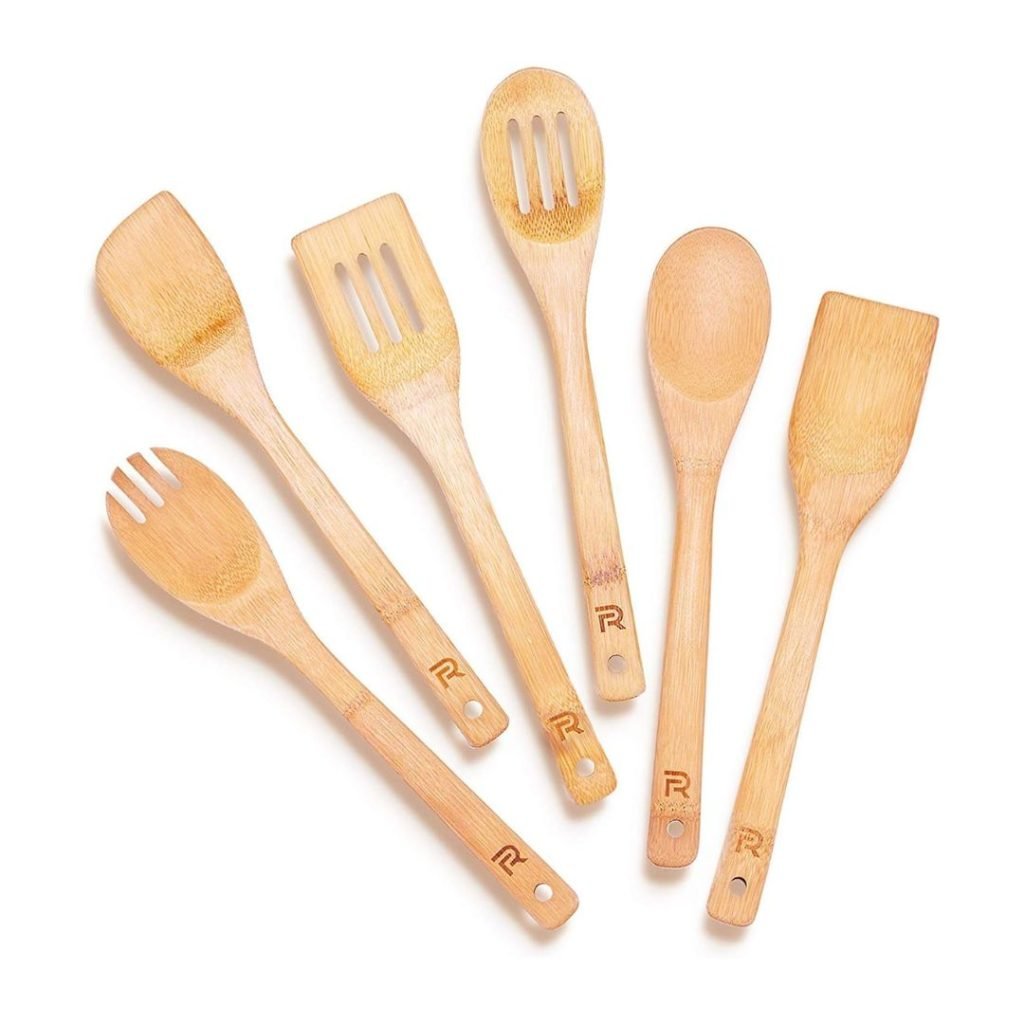
Wooden Utensils
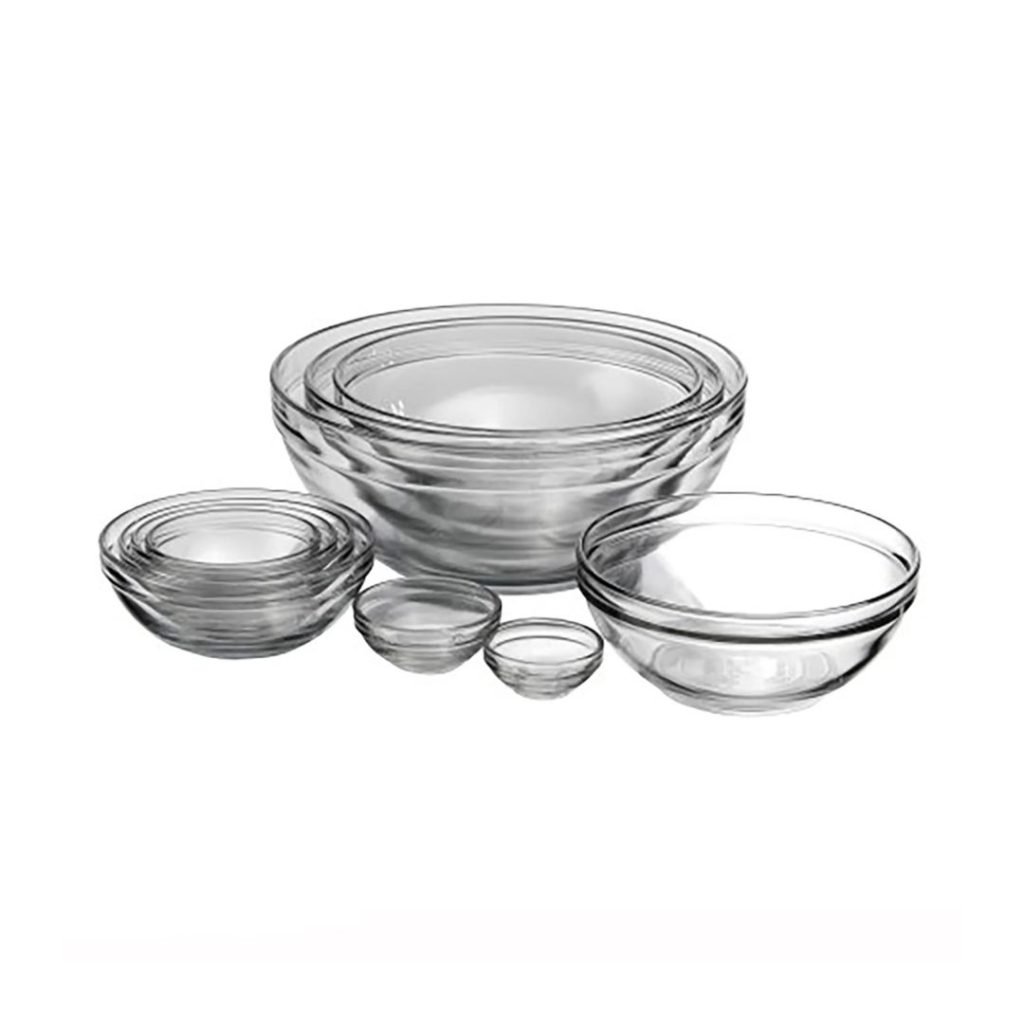
Mixing Bowls
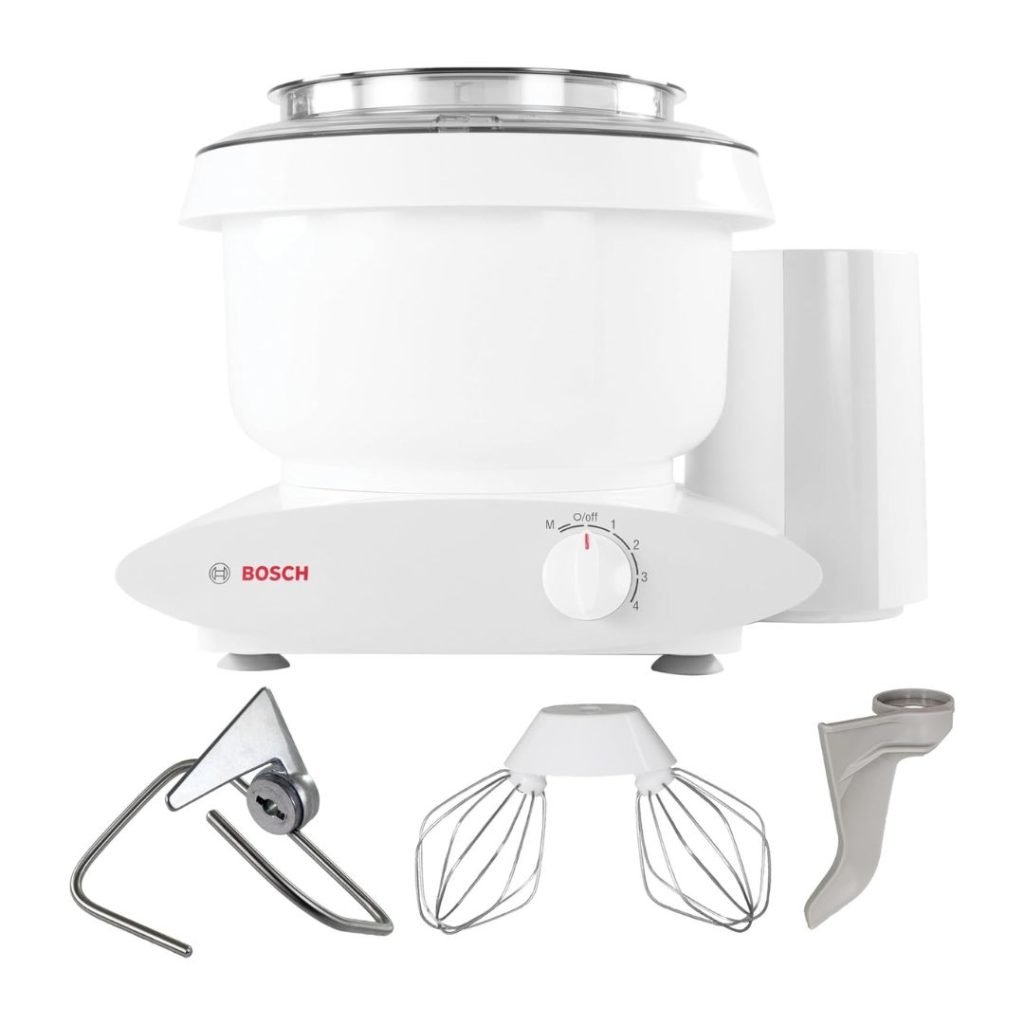
Mixer
3. Streamlining Kitchen Workflows
Homesteading moms often juggle a million things at once, so time-saving workflows are key. These strategies will help you get more done in less time.
Meal Prepping Like a Pro
Spend one day a week prepping ingredients for the week ahead. Wash and chop vegetables, soak beans, and batch-cook staples like rice or shredded chicken. This makes it easy to throw together meals on busy nights.
Batch Cooking and Baking
Double or triple recipes for soups, casseroles, or baked goods, then freeze extras. You’ll thank yourself when you have a ready-to-go dinner on hectic days.
Simplify Preservation
Preserving doesn’t have to be an all-day event. Freeze berries as they ripen or make a small batch of jam instead of waiting for a massive harvest. Little-by-little efforts add up over time.
Involving Kids
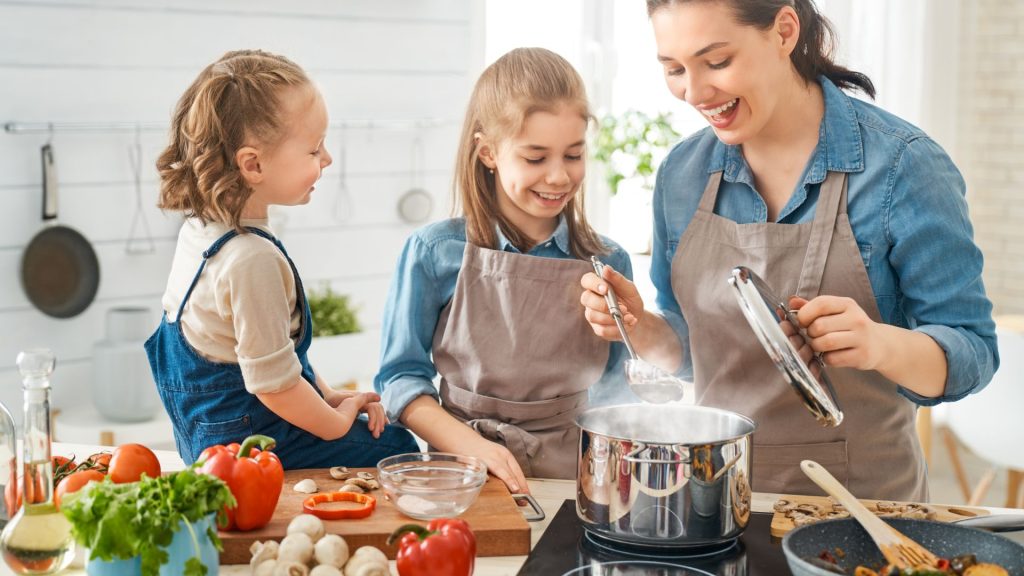
Homesteading kitchens are the perfect place for kids to learn valuable skills. Let them help wash produce, measure ingredients, or knead dough. Not only does this save you time, but it also teaches them the importance of hard work and self-sufficiency.
GRAB A COPY OF MY FREE Guide
Homesteading for Beginners
… Even if you’re short on time, have no idea where to start, and don’t want to give up modern luxuries.
4. Adding Inspiration and Personality
A homesteading kitchen isn’t just functional—it’s a space that should inspire you. After all, this is where you’ll spend countless hours nourishing your family. Adding a personal touch can make it feel like home.
Cozy Farmhouse Aesthetic
Incorporate natural materials like wood, stone, and glass to create a warm, inviting atmosphere. Use mason jars for storage, display vintage tools as decor, and consider a chalkboard wall for jotting down meal plans or recipes.
Seasonal Touches
Rotate decorations and recipes based on the seasons. In summer, showcase fresh herbs in pots on the windowsill. In fall, add baskets of apples and jars of preserved goods to your counters. These little changes keep your space fresh and connected to nature.
Celebrate Your Wins
Display jars of homemade preserves or a loaf of freshly baked bread as a reminder of your hard work. These small successes are worth celebrating and will motivate you to keep going.
Start Small and Build Your Dream Kitchen
Creating a homesteading kitchen is a journey, not a one-day project. Start with the essentials—declutter, stock your pantry, and invest in tools that truly matter. Focus on workflows that save you time and allow you to involve your kids. And don’t forget to make your space uniquely yours with touches of inspiration and personality.
Remember, your homesteading kitchen doesn’t have to be perfect to work for your family. The key is to keep it functional, welcoming, and aligned with your goals. With these homesteading kitchen essentials in place, you’ll be well on your way to creating a space that supports your homesteading lifestyle and brings joy to your everyday routines.