
What to Plant in Raised Beds If You’re Brand New (and What to Avoid)
Most people think you can grow anything in a raised garden bed.
I thought that too.
When I first started gardening, I followed the lists.
Watched the videos.
Did what everyone said beginners should do.
And some of it completely failed.
Not because I didn’t try hard enough.
Not because I didn’t water or care enough.
But because not everything actually belongs in a raised bed—especially when you’re brand new.
And if you’re a busy mom trying to squeeze gardening into a full life, those early failures can feel discouraging fast.
So today I want to make this easier for you.
We’re going to talk about:
- What actually grows well in raised garden beds
- What usually isn’t worth the space
- And how to choose plants that build confidence instead of burnout
Because gardening shouldn’t feel like one more thing you’re failing at.
It should feel like a small win waiting to happen.
Disclosure: As an Amazon affiliate, I earn from qualifying purchases at no extra cost to you. My blog contains other affiliate links as well for your convenience. To learn more, you may read my Disclosure Policy. Thank you for supporting my blog!
Why Raised Beds Are Different Than Traditional Gardens
Raised beds are wonderful.
But they’re also an investment.
You’re hauling soil.
Building or assembling beds.
Spending time and money to create a space where plants can thrive.
And when you’re doing this with kids, busy schedules, and a hundred other responsibilities…
Every bed has to count.
That’s something I learned the hard way.
One year we were still building our beds while everyone else was already planting. I remember feeling like the season was already slipping away before we even got started.
That moment taught me something important:
Raised beds work best when you use them intentionally.
Instead of trying to grow everything, focus on high-value, high-control crops.
These are plants that:
- Benefit from rich soil
- Grow well in smaller spaces
- Produce consistently
- Give you a good return for your effort
When life is full, your garden has to work with you—not against you.
The Best Crops for Raised Beds (Especially for Beginners)
If you’re just starting out, some plants simply perform better in raised beds.
I like to think of them as confidence builders.
Plants that grow well even if everything else in life feels a little chaotic.
Here are some of the best ones to start with.
1. Leafy Greens
Leafy greens are one of the easiest and most rewarding crops for beginners.
Think:
- Lettuce
- Spinach
- Arugula
- Kale
These plants grow quickly, don’t require deep soil, and can be harvested over and over again.
Even better?
They grow well in smaller spaces, which makes them perfect for raised beds.
There’s something incredibly encouraging about walking outside, snipping a handful of fresh greens, and realizing…
Hey… this is actually working.
And sometimes that little moment of success is exactly what keeps a new gardener going.
2. Herbs
Herbs are one of the best uses of raised bed space.
They thrive in well-drained soil and don’t require a lot of room.
Great beginner herbs include:
- Basil
- Parsley
- Chives
- Thyme
- Oregano
And here’s a practical bonus: herbs are surprisingly expensive at the grocery store.
Growing your own means you get fresh flavor for months—often from just a single plant.
Plus, herbs are incredibly forgiving.
Even if you forget to harvest them for a while, they’ll usually keep growing.
For busy moms juggling a hundred things, that flexibility matters.
3. Tomatoes
Tomatoes absolutely love raised beds.
They benefit from rich soil, consistent watering, and good drainage—all things raised beds provide.
Once established, tomato plants can produce heavily for months.
And there’s nothing quite like the taste of a tomato picked right from the garden.
Yes, they require a little care—staking or trellising helps a lot—but they’re incredibly rewarding.
For many gardeners, tomatoes are the crop that makes them fall in love with gardening.
4. Peppers
Peppers are another raised bed favorite.
They thrive in warm soil and produce steadily throughout the summer.
Popular beginner options include:
- Bell peppers
- Jalapeños
- Banana peppers
Like tomatoes, peppers love the improved soil conditions raised beds provide.
Once they get going, they often produce far more than beginners expect.
And that feeling—harvesting food your family will actually eat—is powerful.
One Mistake Beginners Make With Raised Beds
Here’s something I wish someone had explained to me earlier:
Raised bed depth matters.
It affects what plants can grow successfully.
When I first started gardening, I planted things that looked fine at first.
They sprouted.
They grew a little.
Then they stalled.
For a long time I thought the problem was me.
But it wasn’t.
It was the depth of the soil.
Here’s a simple way to think about it.
Shallow Beds (6–8 inches)
Best for:
- Lettuce
- Spinach
- Herbs
- Arugula
These plants have shallow root systems and don’t need deep soil.
Medium Beds (8–12 inches)
Great for:
- Peppers
- Bush beans
- Swiss chard
These crops benefit from a little more depth but still perform well in standard raised beds.
Deep Beds (12+ inches)
Best for:
- Tomatoes
- Carrots
- Beets
- Other root vegetables
These plants need room for their roots to develop properly.
If your plants stalled in the past, let me say this clearly:
You didn’t fail.
You were probably just missing information.
And that happens to every gardener.
Think in Seasons, Not Just Crops
Another huge mindset shift for beginners is learning to think in seasons instead of trying to grow everything at once.
Early in my gardening journey, I tried to plant all the things.
And honestly?
I burned out fast.
Now I keep things much simpler.
I divide my raised beds into seasonal planting cycles.
Cool Season Crops
These thrive in spring and fall:
- Lettuce
- Radishes
- Spinach
- Peas
They prefer cooler temperatures and can handle light frost.
Warm Season Crops
Once temperatures rise, switch to:
- Tomatoes
- Peppers
- Beans
- Basil
These plants love heat and sunshine.
Instead of planning the entire year, focus on this season.
That alone can make gardening feel so much more manageable.
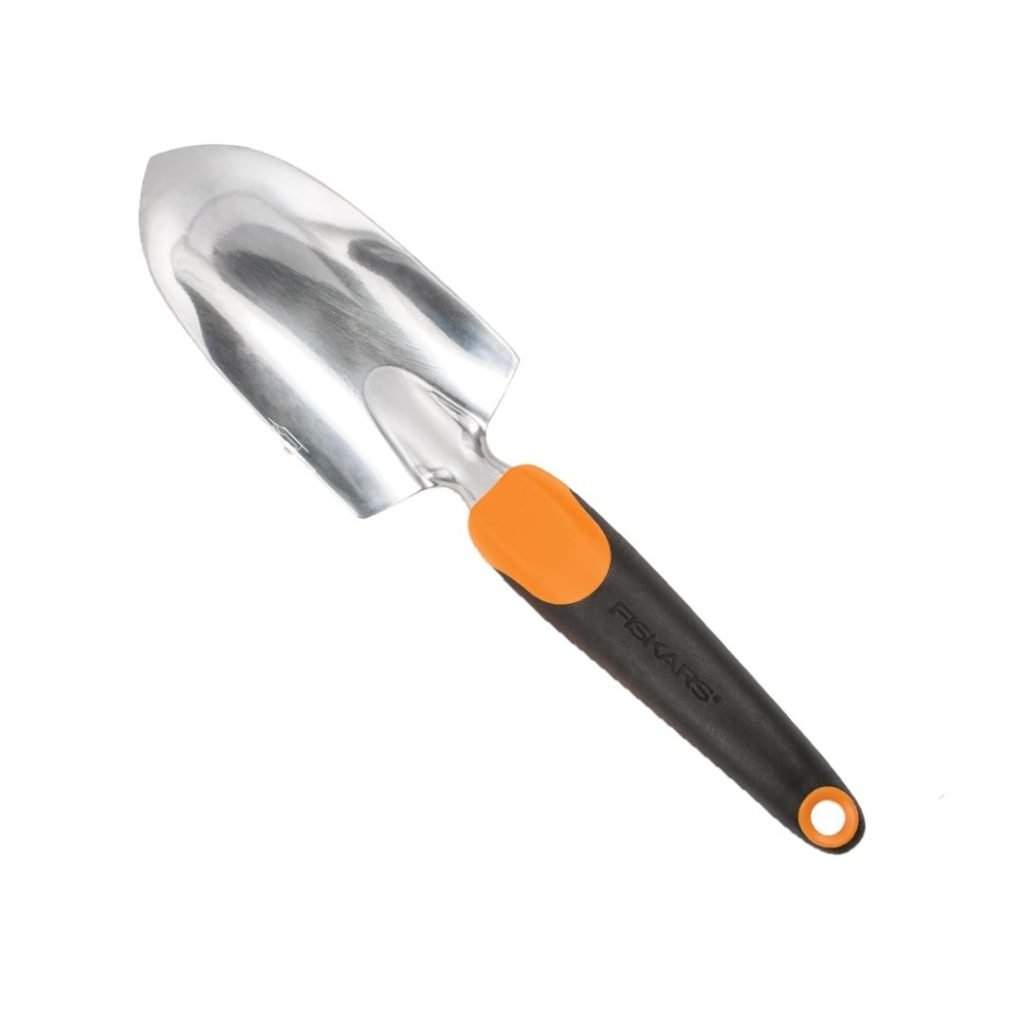
Garden Trowel
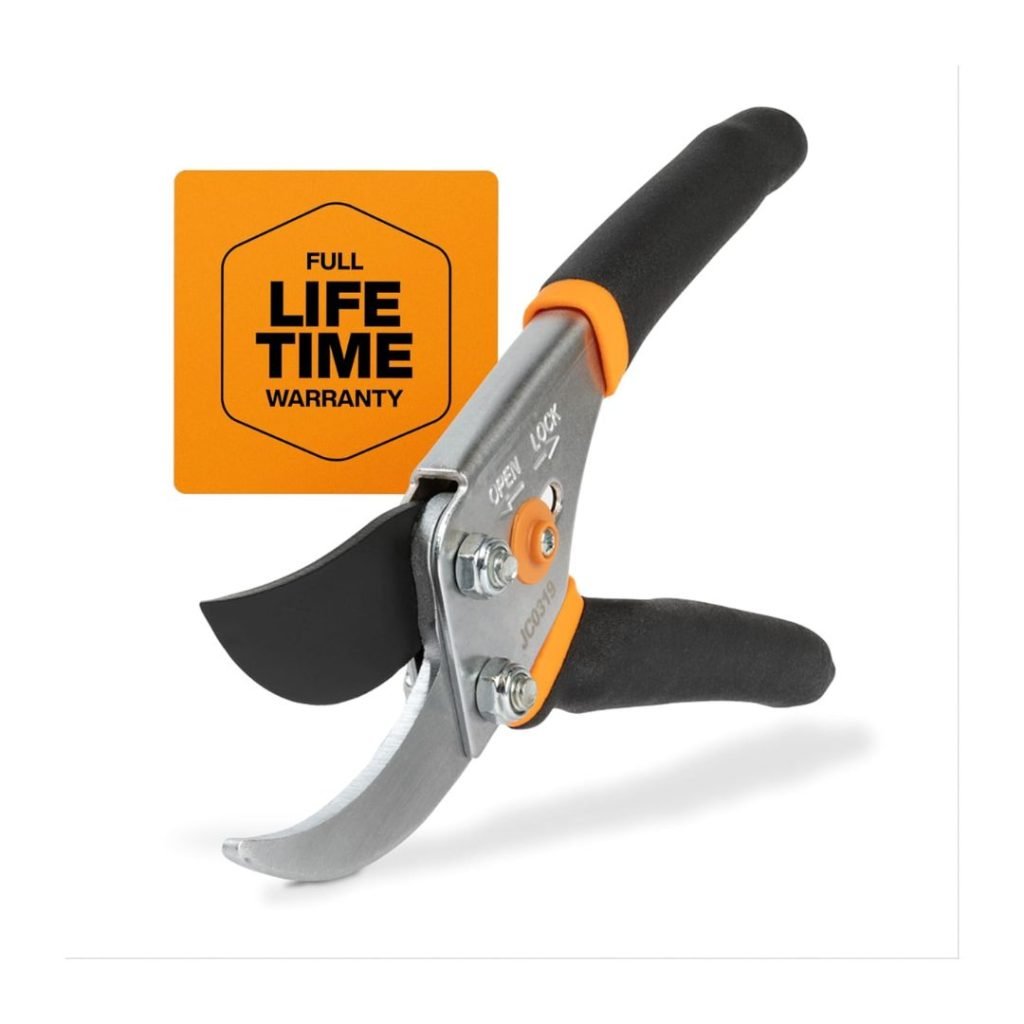
Shears
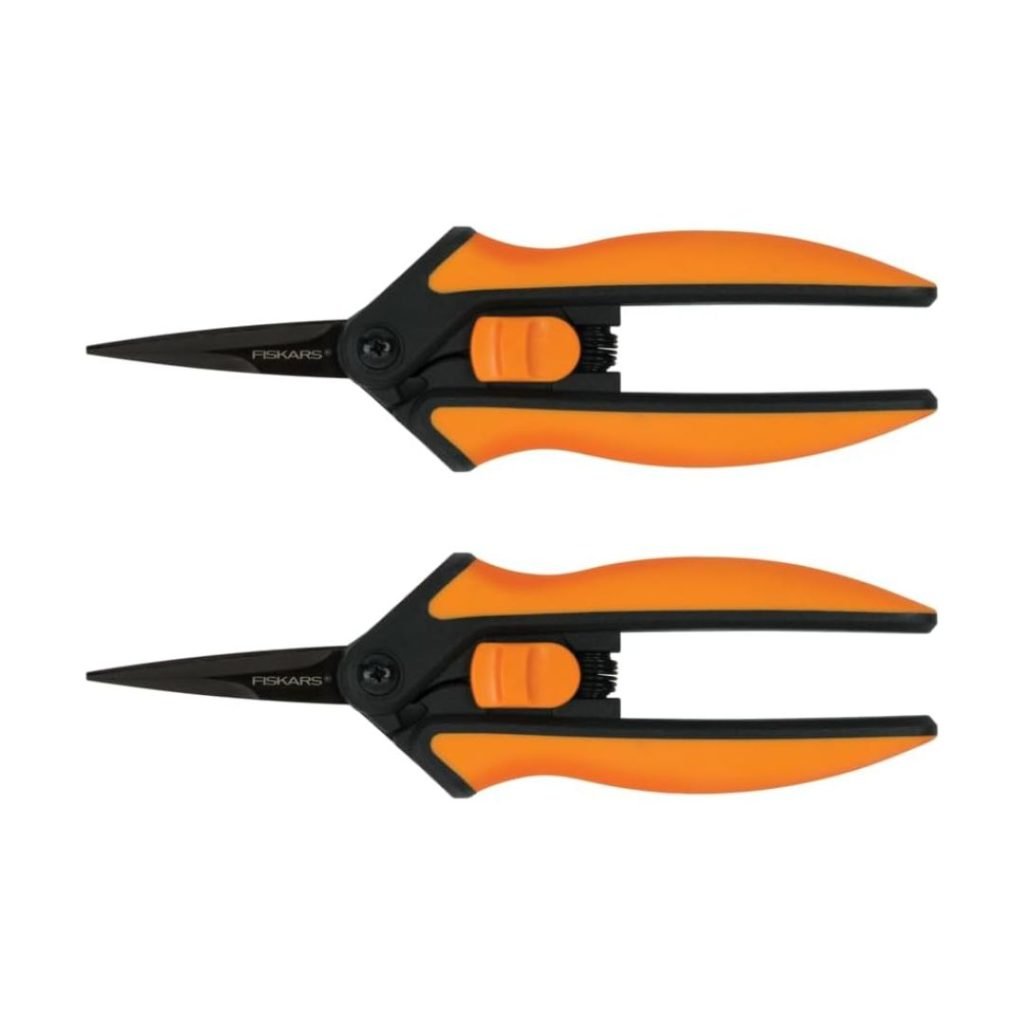
Snips

Garden Gloves
What NOT to Plant in Raised Beds (When You’re New)
This might surprise you.
Some popular garden plants just aren’t ideal for raised beds—especially when space is limited.
And skipping them doesn’t make you less of a gardener.
It makes you smarter.
Here are a few examples.
Corn
Corn needs:
- A lot of space
- Multiple rows for pollination
- Consistent growing conditions
Small raised beds usually can’t support enough plants for good harvests.
Pumpkins
Pumpkins grow on massive vines that sprawl everywhere.
They quickly take over raised beds and crowd out other plants.
Unless you have a lot of space, they’re better suited for in-ground gardens.
Sprawling Squash
Some squash varieties behave the same way.
The vines can easily spill over beds and take over pathways or neighboring plants.
It’s not impossible to grow them—but they often require more space than beginners expect.
The Real Secret to Beginner Garden Success
When I first started gardening, I thought success meant growing everything.
The more crops, the better.
But over time, I realized something different.
Success means growing what fits your season of life.
Not someone else’s Instagram garden.
Not the perfect Pinterest plan.
Just the right plants…
in the right place…
for the life you’re living right now.
You don’t need more beds.
You don’t need more plants.
You just need the right ones to start with.
And that’s how confidence grows.
A Simple Next Step for Your Garden
If you want help choosing the right plants from the very beginning, I put together a free beginner garden guide to walk you through it step-by-step.
It’s designed specifically for busy moms who want a garden that actually works in real life.
You can grab it here and start planting with confidence.
And once you know what to plant, the next thing beginners struggle with is how to fill raised beds without spending a fortune.
I cover that in the next lesson.
Because gardening should simplify your life—not make it more stressful.
Let’s learn, grow, and thrive together 🌱
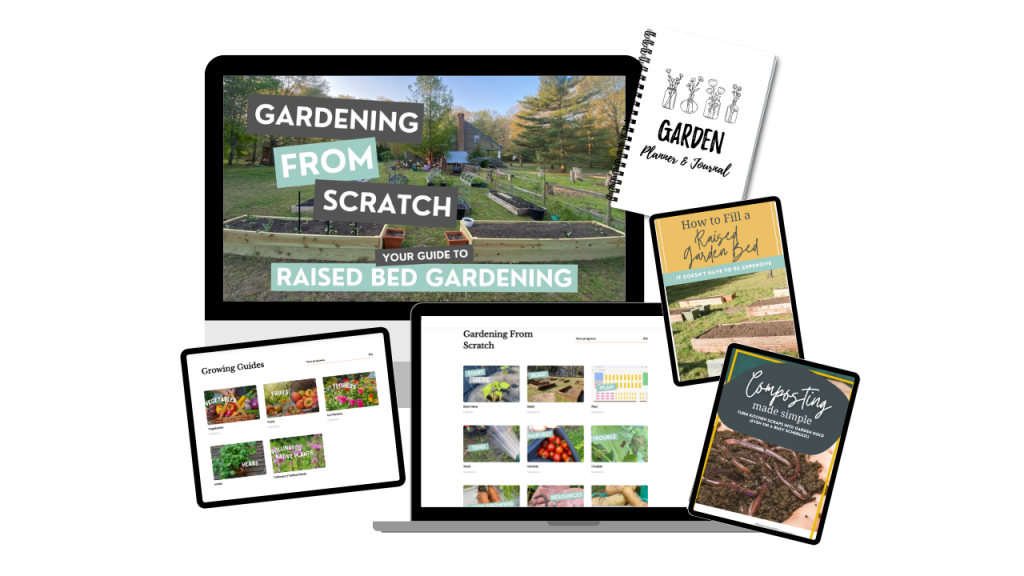
Introducing
Gardening From Scratch
Are you ready to dive into the world of gardening but feel a little lost on where to begin?
It’s easier than you think, and I’m here to help!
FAQ Section
What grows best in raised beds for beginners?
Leafy greens, herbs, tomatoes, and peppers are some of the easiest and most productive crops for beginner raised bed gardens.
How deep should a raised bed be for vegetables?
Most vegetables grow well in raised beds that are 8–12 inches deep. Root vegetables and tomatoes may benefit from beds that are 12 inches or deeper.
What should you not plant in raised beds?
Large sprawling crops like corn, pumpkins, and some squash varieties can quickly take over raised beds and may not be ideal for small spaces.